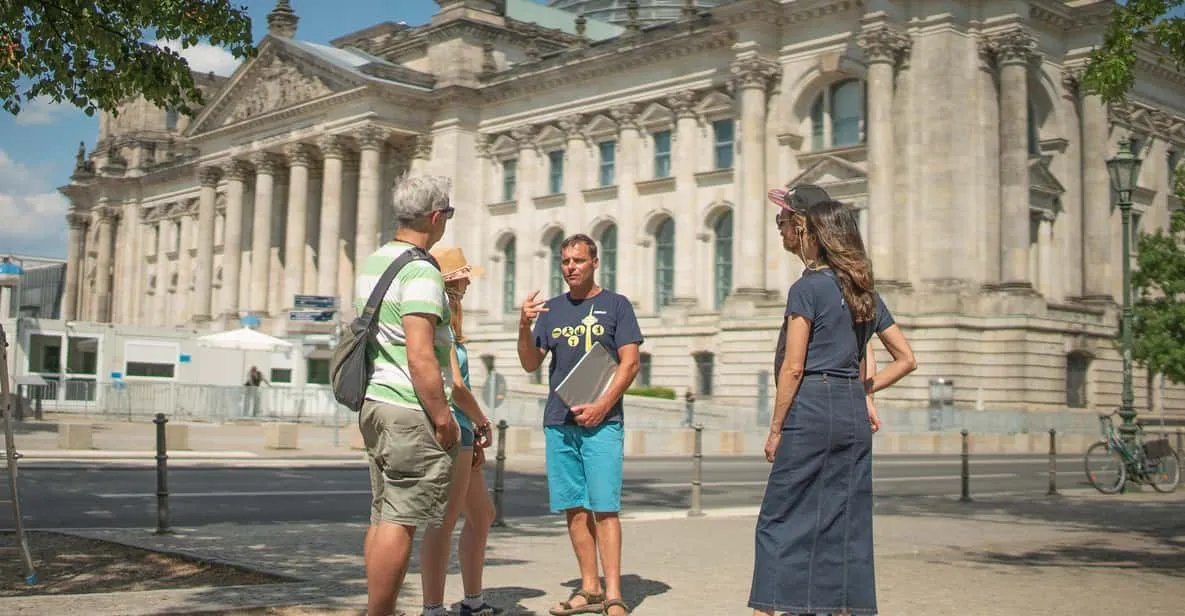
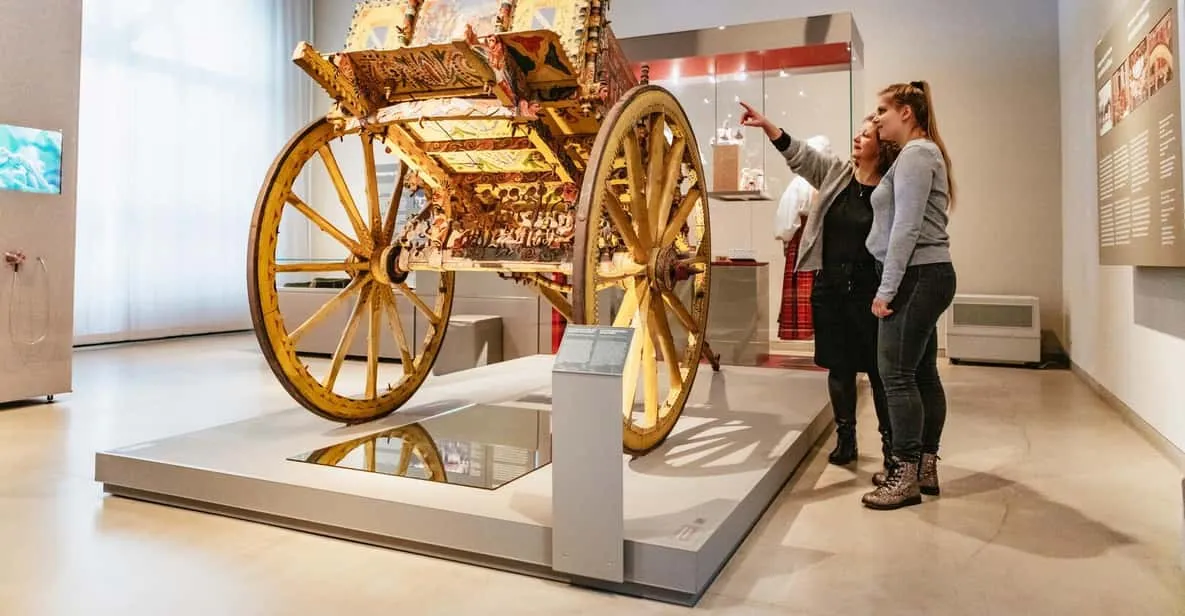
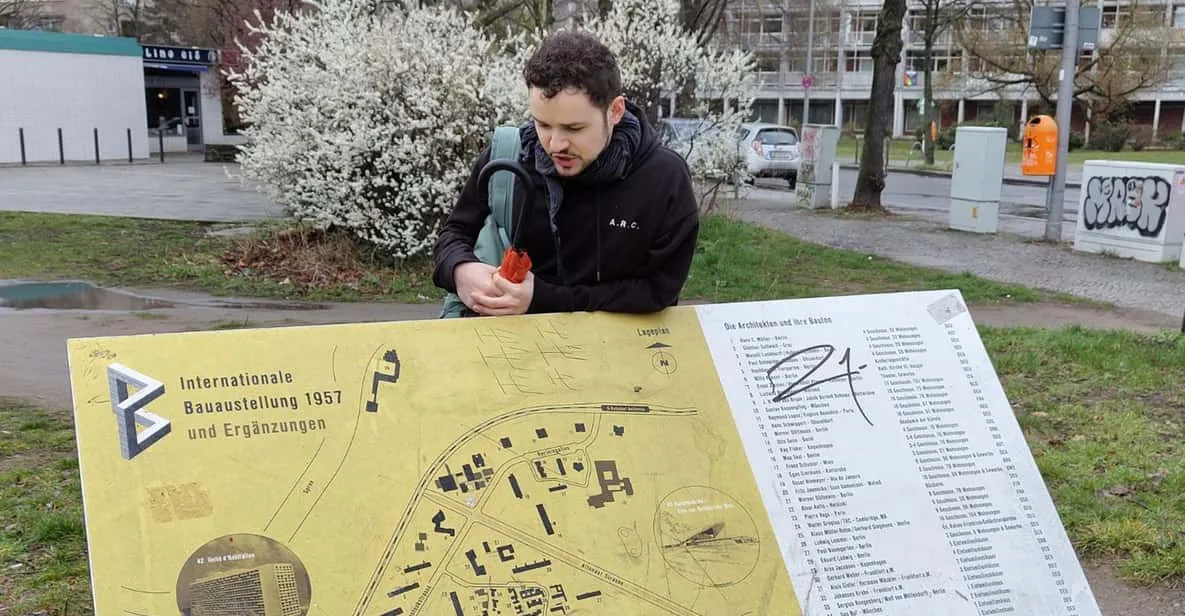
from $27 Museum Island Multiple Museum Entry Ticket
- All open island museums
- Cheaper than separate tickets
- One day, one ticket
Five state museums on one island in the Spree, a wartime bunker, an abandoned listening station and the bust of Nefertiti. This guide sorts the best museums in Berlin by theme, with opening hours, ticket prices, the closures nobody warns you about, and which places cost nothing at all.
The best museums in Berlin, Germany are not gathered in one quarter, and that is the first thing to understand about them. Berlin has around 175 museums, more than it has rainy days in a year, and the density is not an accident. Two states spent forty years building rival collections in the same city, then reunification left both sets standing. The result is a place where five state museums share one island in the river, where the Cold War is documented from both sides within a few U-Bahn stops, and where a bust of an Egyptian queen and a Trabant simulator are a fifteen-minute walk apart.
How many museums in Berlin are there? Around 175, which is more than any other German city. This guide sorts the museums in Berlin, Germany into nine themes so you can choose by what you actually want to see, from the most famous museum in Berlin to the cool museums in Berlin that never make a top-ten list. Each section covers where a museum sits, when it opens, what a ticket costs, what is worth finding inside, and which tickets are worth booking ahead. Three things are worth knowing before you plan anything. The Pergamonmuseum, the most famous building on Museum Island, is shut: its first galleries return in June 2027, and the Ishtar Gate is not scheduled back until the 2030s. Most state museums close on Mondays, in the standard German pattern, and two important ones close on Tuesdays instead. And a surprising number of the city's most important sites, including the Topography of Terror and the Jewish Museum's core exhibition, cost nothing at all.
Hours, prices and closing days on this page were last checked in July 2026. Berlin's museums shuffle their schedules for exhibitions, renovations and public holidays more than most cities do, so confirm on the official site before a special trip.
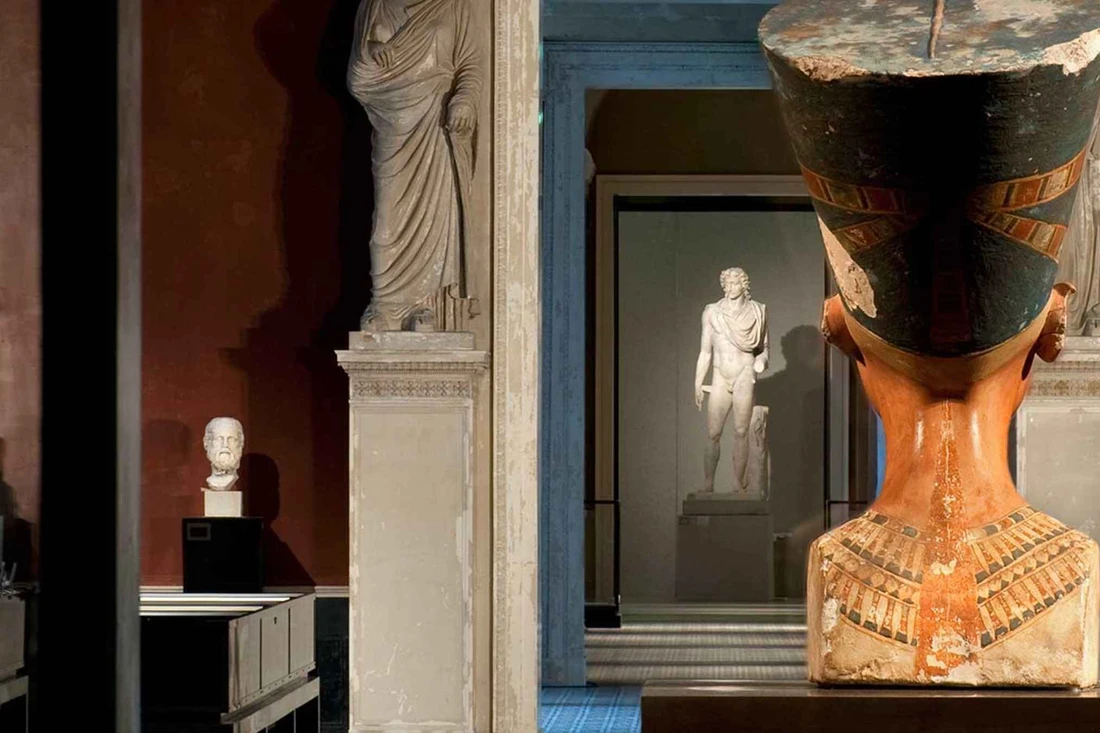
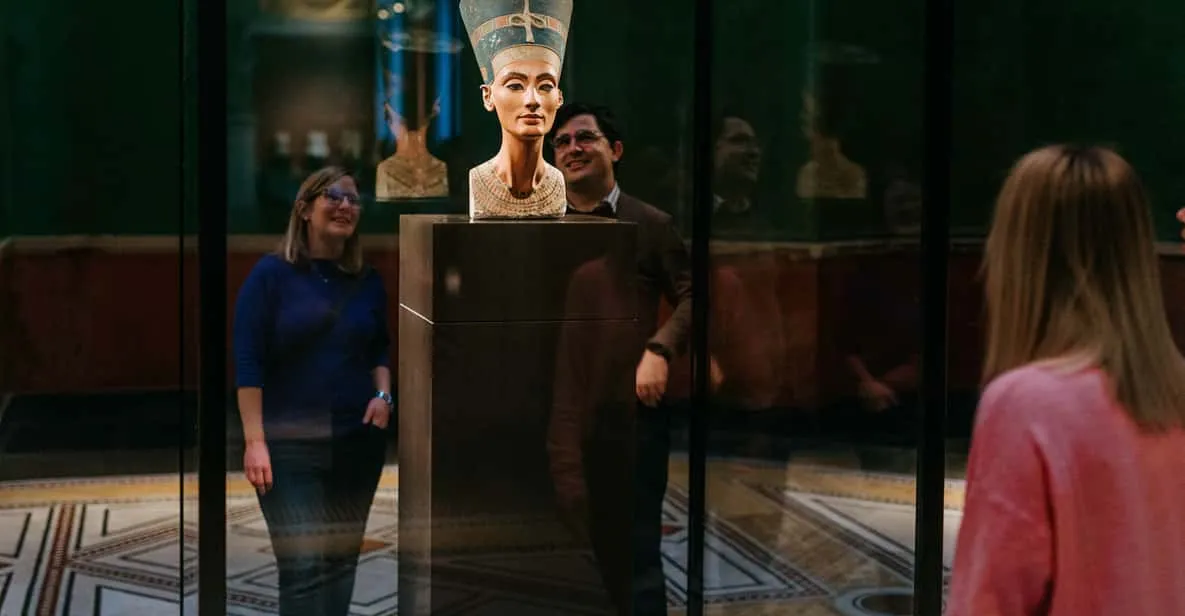
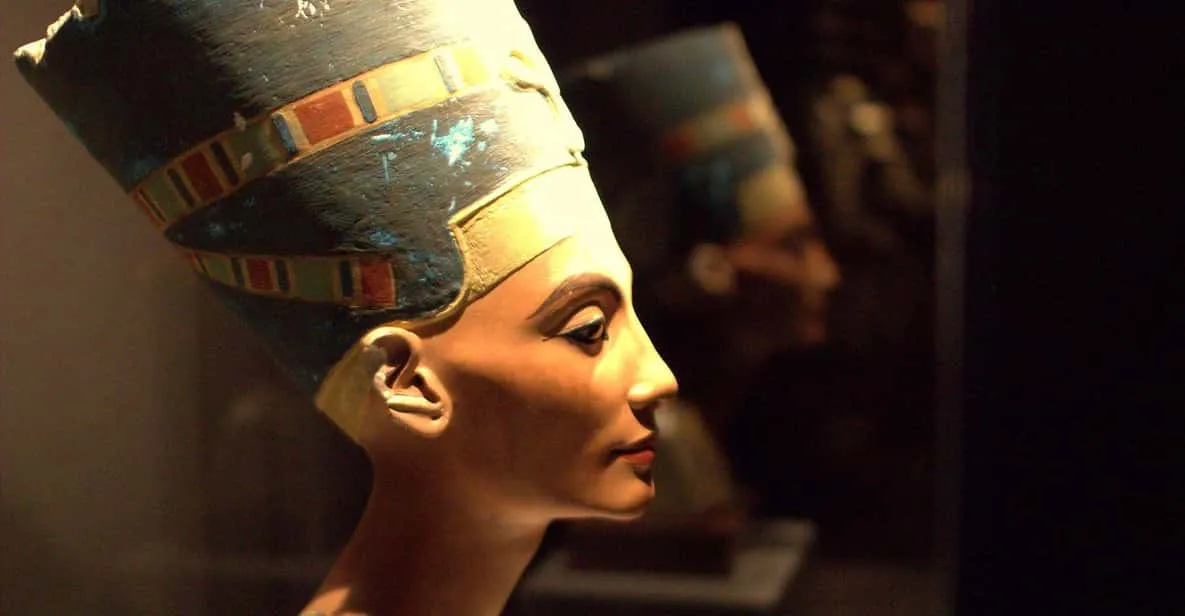
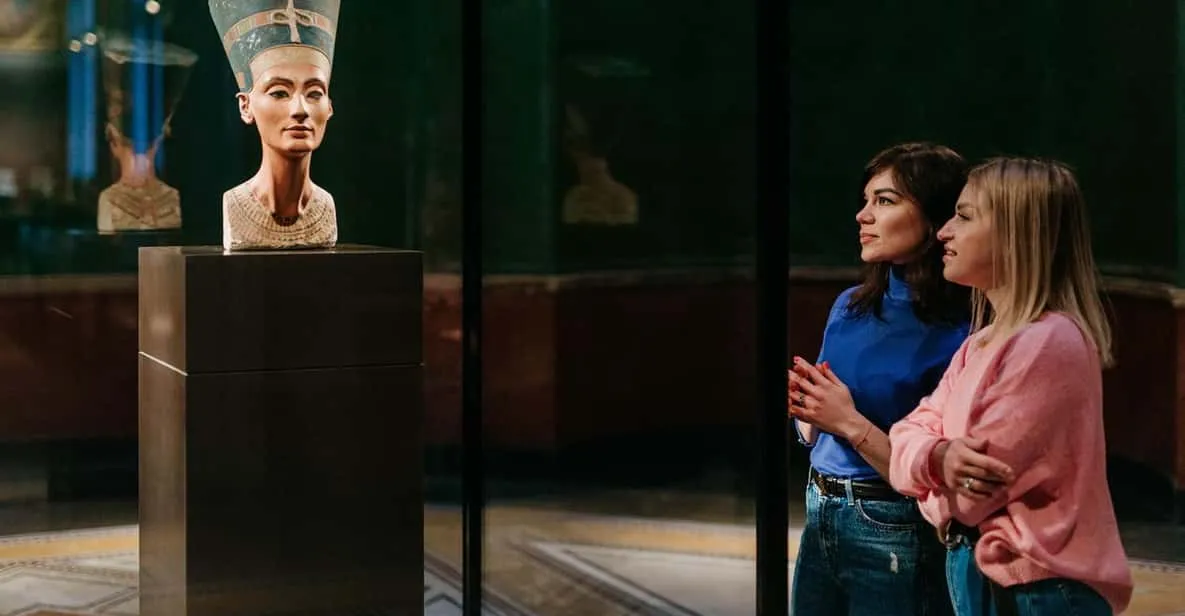
The Neues Museum Berlin — Nefertiti alone in a domed room, at the end of an Egyptian wing rebuilt around its own war damage. The single museum in Berlin, Germany most people come for.
The Topography of Terror — the SS and Gestapo headquarters documented on the ground where they stood, and it costs nothing. Pair it with the Story Bunker.
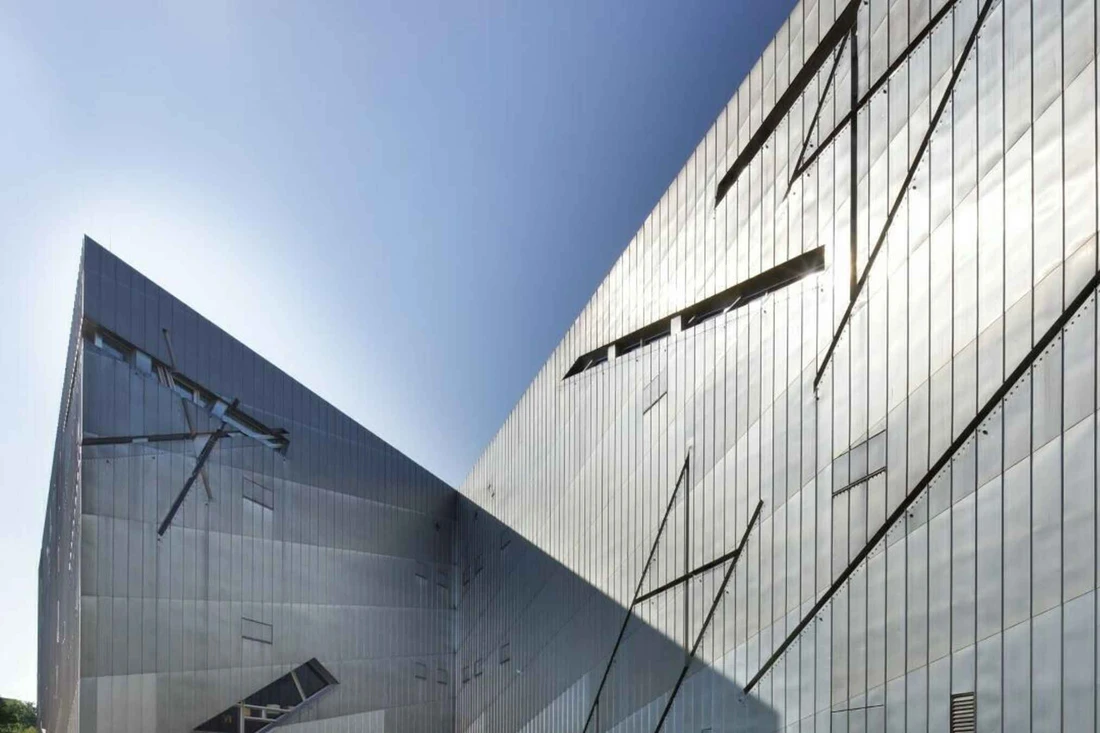
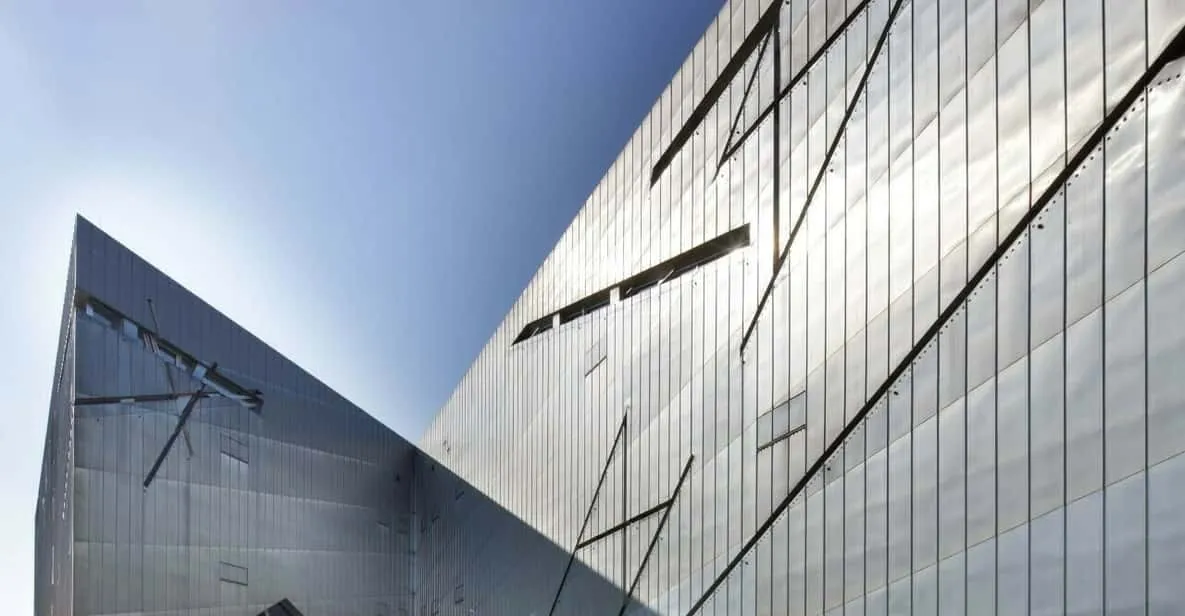
The Jewish Museum — Libeskind's cut-zinc zigzag makes its argument in concrete and empty space before you read a single label. Core exhibition free.
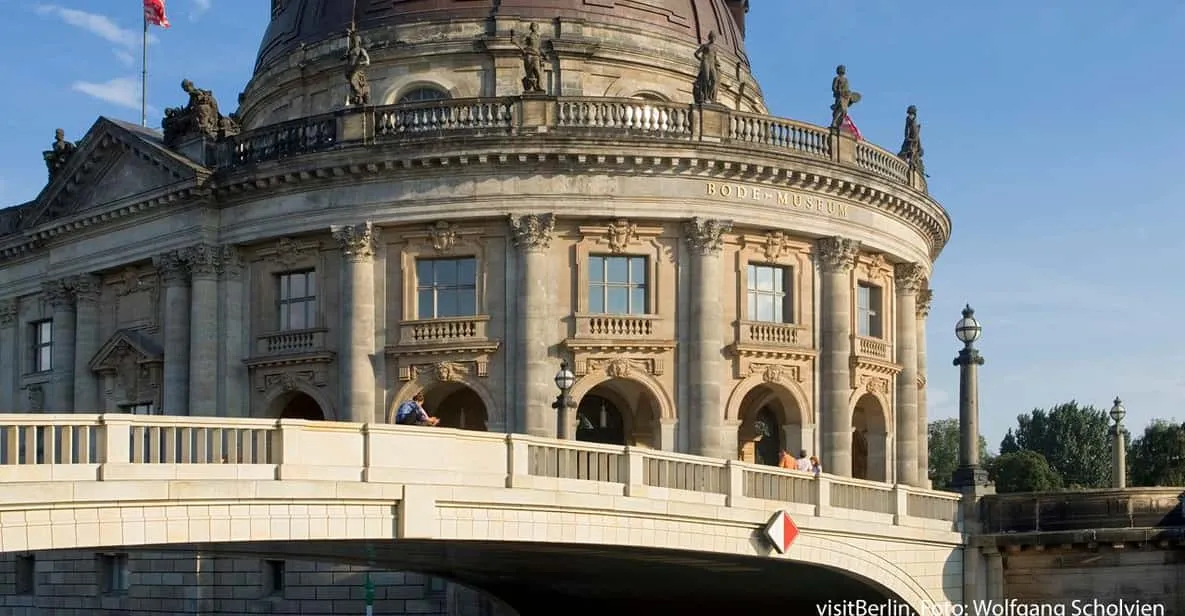
The Bode Museum — Byzantine and Baroque sculpture under a dome at the tip of the island, reliably the emptiest of the five. Compare all museums.
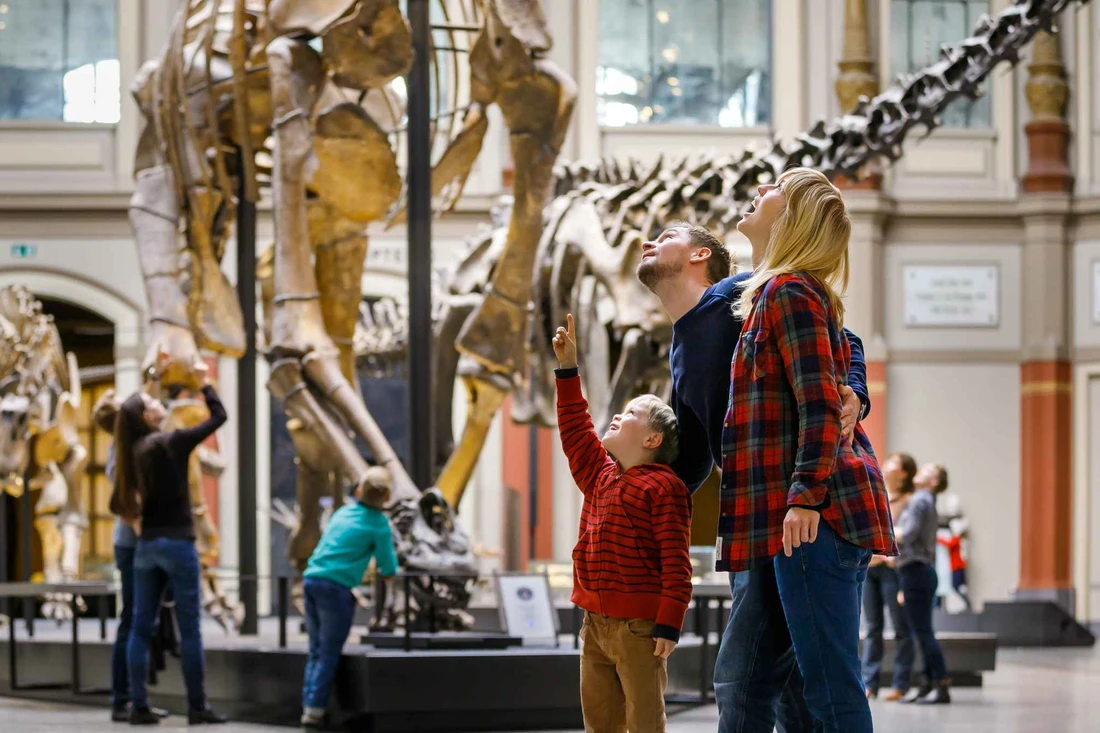
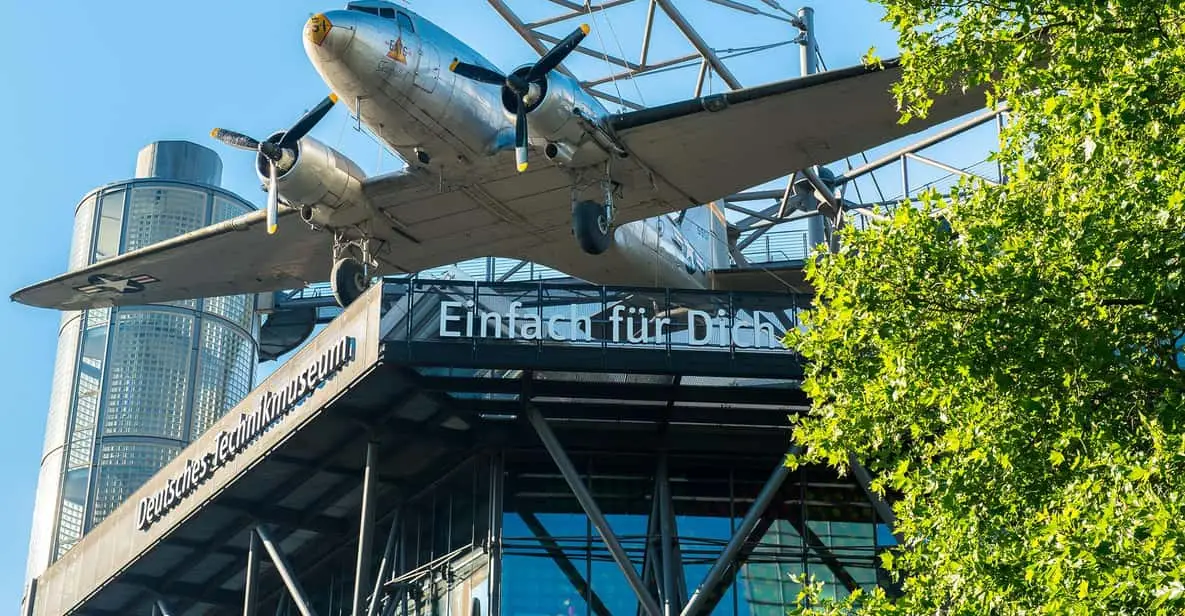
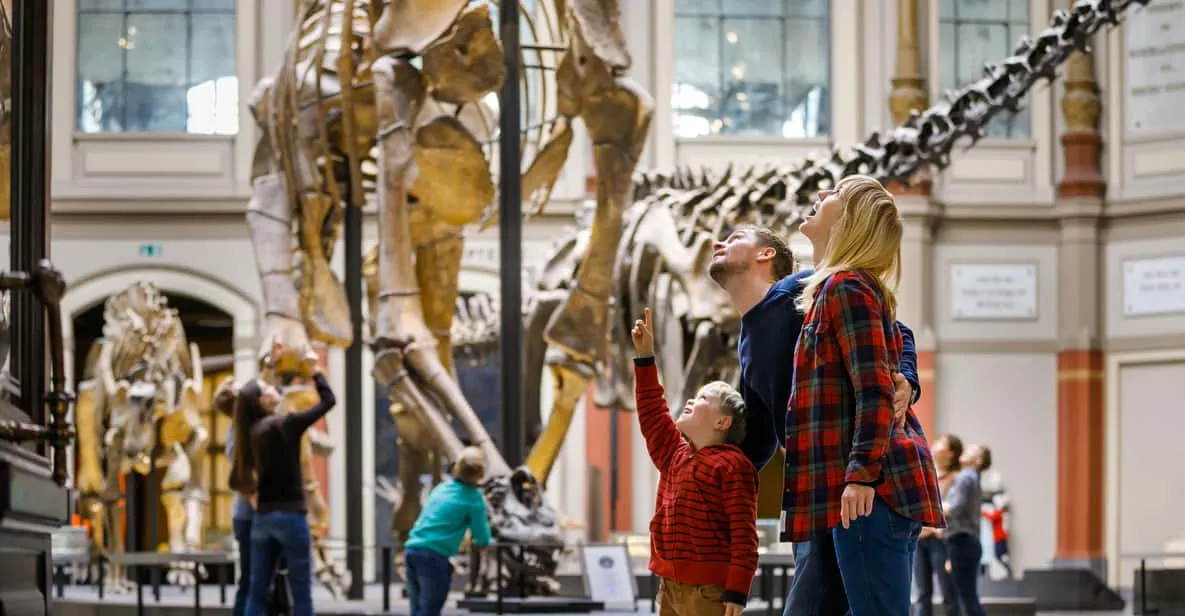
The Natural History Museum — the tallest mounted dinosaur skeleton in the world, and the Technikmuseum with a Berlin Airlift plane hung off the roof.
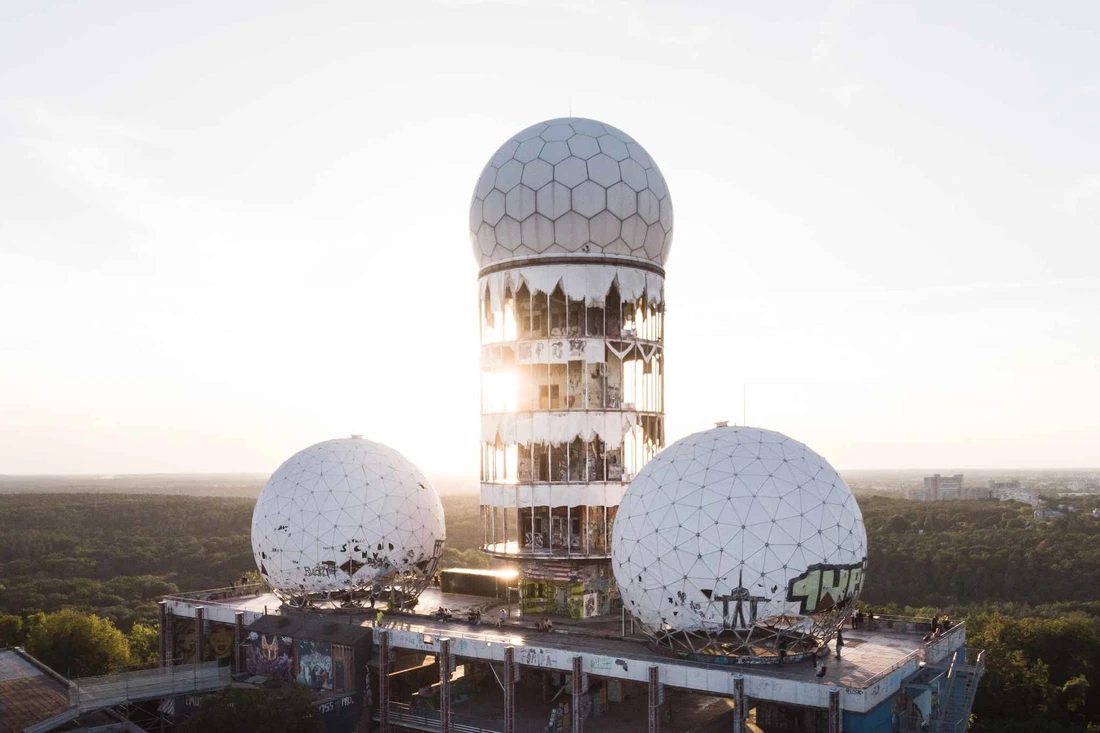
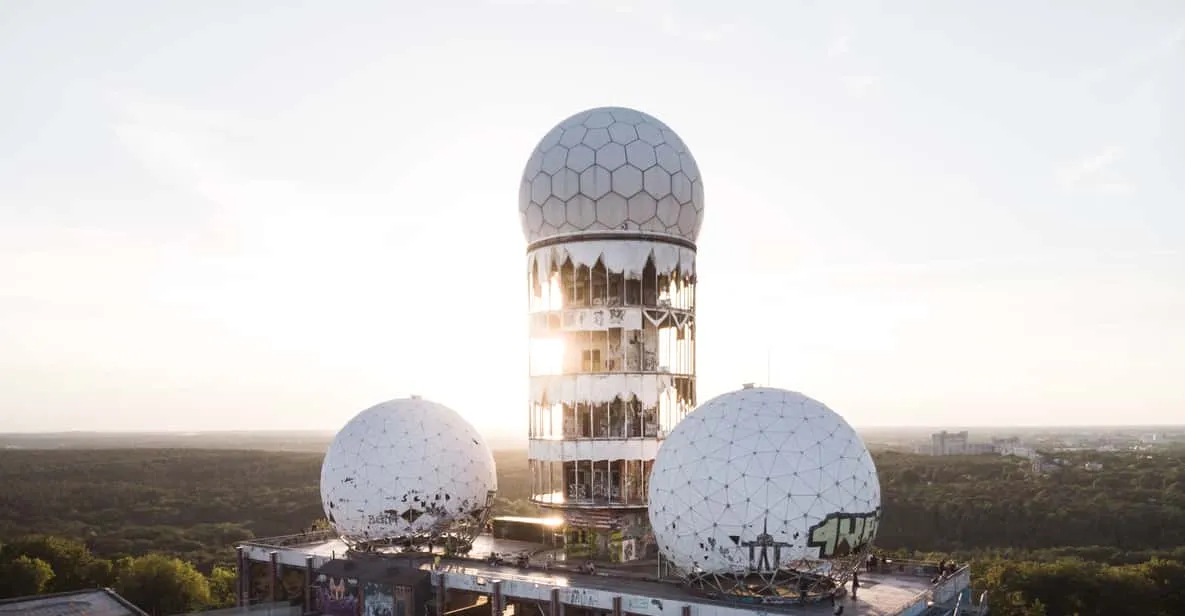
Teufelsberg — an American listening post on a hill of war rubble, radomes torn open and covered in street art, with the whole city below.
Short on time? These are the top museums in Berlin, Germany, ranked, each with a one-line case and a link to its section below. Treat it as the must see museums in Berlin shortlist, and as our answer to which are the best museums of Berlin. If you want the essential shortlist and nothing more, stop after number four — the Neues Museum, the Jewish Museum, the Topography of Terror and the DDR Museum between them cover Egypt, the Holocaust, the Nazi state and East Germany, which is most of what people come to Berlin for.
The essentials for the most famous museums in Berlin, side by side, with Berlin museum tickets priced from the operator. Prices below are the booked ticket including reservation fees, which is what you will actually pay; the door price is usually a little lower but assumes you get in. Use this as your working list of the best museums to visit in Berlin, and note the closing days — most state museums take Mondays off, and the Berlinische Galerie is the odd one out on Tuesdays.
| Museum | Best for | Area | Time needed | Closed | Ticket | Our take |
|---|---|---|---|---|---|---|
| Neues Museum | Nefertiti & ancient Egypt | Museum Island | 2 h | Mondays | $16 · Check Availability | The best museum in Berlin on most measures. No photography in Nefertiti's domed room, but you may shoot her from either room next door. |
| Pergamonmuseum | Ancient architecture | Museum Island | — | Closed until June 2027 | Panorama $16 · Check Availability | Shut. The Pergamon Altar returns June 2027; the Ishtar Gate not until the 2030s. The Panorama opposite is the substitute. |
| Bode Museum | Sculpture & coins | Museum Island | 1.5 h | Mondays | $16 · Check Availability | The quiet one. Byzantine ivories, Baroque sculpture and a dome, with none of the Neues Museum crush. |
| Altes Museum | Greek & Roman antiquity | Museum Island | 1.5 h | Mondays | $16 · Check Availability | Schinkel's rotunda is worth the ticket by itself. Prussia's first public museum, and still the calmest interior on the island. |
| Jewish Museum Berlin | Libeskind's building | Kreuzberg | 2.5 h | Mondays | Free · Check Availability | Core exhibition free, and world-class. Give it longer than you think; the building alone takes an hour to absorb. |
| Topography of Terror | The Nazi state, documented | Mitte | 1.5 h | Open daily | Free | Free, open daily, no booking, and the most important history museum in the city. Outdoor panels along a surviving stretch of Wall. |
| DDR Museum | Hands-on East Berlin | Mitte | 1.5 h | Open daily | $16 · Check Availability | Busy, small and genuinely fun. Timed entry is worth it; from midday the Trabi simulator has a line. |
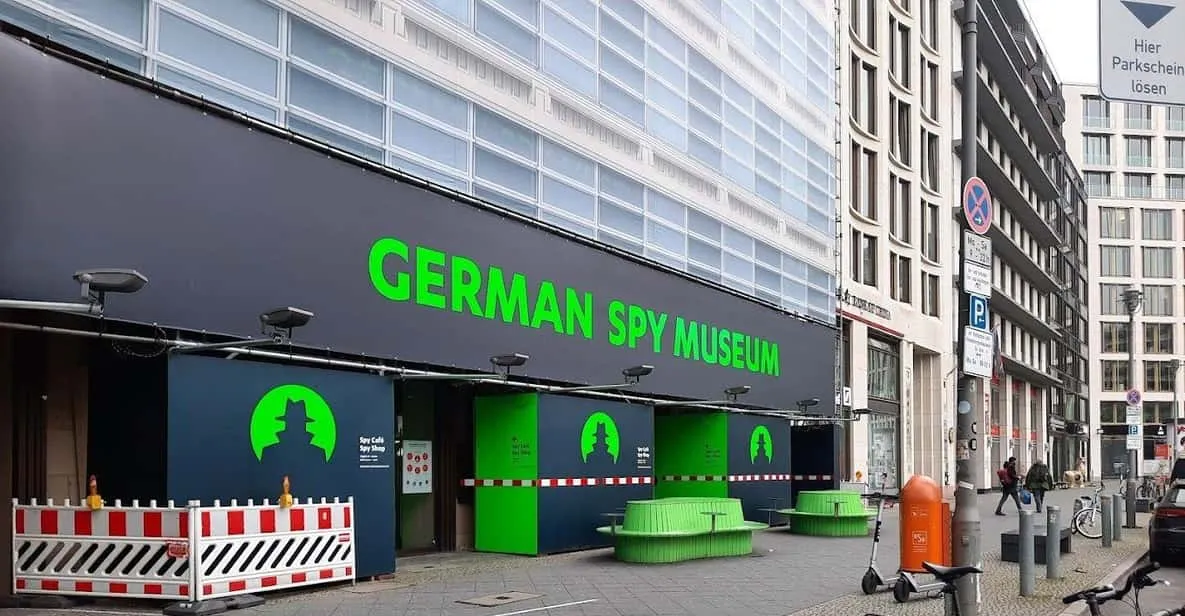
| German Spy Museum | Cold War espionage | Potsdamer Platz | 2 h | Open daily | $26 · Check Availability | The most hands-on museum in Berlin. The laser maze is the bit everyone photographs. |
| Museum für Naturkunde | Dinosaurs & fossils | Mitte North | 2 h | Mondays | $13 · Check Availability | The best museum in Berlin for kids, and the Brachiosaurus is worth the trip on its own. Cheap, too. |
| Deutsches Technikmuseum | Trains, planes & industry | Kreuzberg | 3 h | Mondays | $17 · Check Availability | Enormous. The candy bomber on the roof is the emblem; most people run out of day before halls. |
| Neue Nationalgalerie | 20th-century art | Kulturforum | 1.5 h | Mondays | $23 · Check Availability | Come for the Mies building as much as the art. The glass hall is the reason architects fly here. |
| Hamburger Bahnhof | Contemporary art | Hauptbahnhof | 2 h | Mondays | $18 · Check Availability | A railway terminus with room for art at full scale. The best place in the city for work made since 1960. |
| Berlinische Galerie | Berlin art since 1870 | Kreuzberg | 1.5 h | Tuesdays | $14 · Check Availability | Dada, the Secession and the Neue Sachlichkeit. Closed Tuesdays, which catches people out. |
| The Wall Museum | Escape stories | East Side Gallery | 1.5 h | Open daily | $14 · Check Availability | Film and testimony rather than objects, with the painted Wall outside the door. Emotional, and effective. |
| Charlottenburg Palace | Prussian state rooms | Charlottenburg | 2 h | Mondays | $22 · Check Availability | The largest surviving Hohenzollern palace here, and the park behind it is free to walk. |
| Checkpoint Charlie Museum | Escapes across the Wall | Mitte | 1.5 h | Open daily | €18.50 door | Cluttered, dense and old-fashioned, and still holds the best collection of real escape devices anywhere. The priciest ticket here, and it takes no cash. |
There are three ways to buy museum entry in Berlin, and which Berlin museum card wins depends entirely on how many state museums you actually want.
The Bereichskarte Museumsinsel, the Berlin Museum Island pass sold as a day ticket, is €24 and covers every open museum on Museum Island for one day, plus the Pergamon Panorama across the canal. Since a single island museum is €14, it pays for itself at two. Museum Island Berlin tickets are cheapest bought this way, and the multi-museum island ticket here is the same product bought in one click. Check Availability
The Museum Pass Berlin is the wider net: €32 for three consecutive days across more than thirty museums, including the island, the Kulturforum, the Hamburger Bahnhof, the Museum für Naturkunde and the Jewish Museum. It pays off from roughly two state museums a day, and the pass explicitly needs no time slots. Two catches: it covers permanent collections only, and the Alte Nationalgalerie charges a €6 surcharge on top of it.
The Museum Island Berlin Welcome Card is a different animal: €62 for 72 hours in the AB zone, or €67 including zone C for Potsdam, Oranienburg and the airport. It bundles island entry with unlimited transport and discounts at 170-odd attractions, and up to three children under 14 travel free with an adult. It wins when your museums are scattered and you will use the U-Bahn hard. Check Availability
One thing makes all the arithmetic easier: under-18s enter the Staatliche Museen zu Berlin free, always. They still have to collect a free ticket at the counter or book one online, and bring ID, or they get turned back at the door.
| Ticket | Price | Covers | Worth it when |
|---|---|---|---|
| Single museum ticket | €11–€16 | One museum. Island museums €14, Alte Nationalgalerie €16 | You want one or two museums and nothing else |
| Museum Island day ticket | €24 / €12 reduced | All open island museums plus the Pergamon Panorama, one day | You are doing the island properly in a single day |
| Museumspass Berlin (3 days) | €32 / €16 reduced | 30+ museums over three consecutive days, permanent collections only | Two or more state museums a day, several days running |
| Berlin WelcomeCard Museum Island | €62 (AB) / €67 (ABC) | 72 h: island entry, all transport, 170+ discounts | Your museums are spread across the city and you will use transport hard |
| Under 18 | Free | All Staatliche Museen zu Berlin | Always. Collect the free ticket and bring ID |
| Lange Nacht der Museen | €15–€23 | 700+ events across the city, 29 August 2026, 18:00–02:00 | Your dates line up. Early-bird tickets are the cheap ones |
The island day ticket covers the open Museum Island buildings in one visit; the WelcomeCard adds unlimited transport and city-wide discounts on top of it.
from $27
from $71 Berlin museum opening hours follow one rule for the most part: the state museums close on Mondays. That includes everything on Museum Island, the Kulturforum galleries, the Hamburger Bahnhof, the Museum für Naturkunde, the Technikmuseum, the Jewish Museum and Charlottenburg Palace. The museums open on Monday in Berlin are the ones outside the state system, so plan around those instead. Berlin museums open Monday include the DDR Museum, the German Spy Museum, the Topography of Terror, the Checkpoint Charlie Museum, the Stasi Museum, Fotografiska, the Computerspielemuseum, the Samurai Museum and the East Side Gallery.
Tuesday has its own traps. The Berlinische Galerie closes on Tuesdays, not Mondays, and so does the Humboldt Forum. The Kunstgewerbemuseum takes both Monday and Tuesday off.
Two details that break late-afternoon plans. The Altes Museum and the Bode close at 17:00 from Tuesday to Friday, an hour earlier than the Neues Museum and the Alte Nationalgalerie next door. And the Thursday late night to 20:00 is a Kulturforum thing, not an island thing — it applies to the Neue Nationalgalerie, the Hamburger Bahnhof and the Museum für Fotografie.
The closure that matters most is not a weekday at all. The Pergamonmuseum is shut: the north wing and the Pergamon Altar return on 4 June 2027, while the south wing with the Ishtar Gate and the Market Gate of Miletus is not scheduled back until the 2030s. The Deutsches Historisches Museum in the Zeughaus is closed with no announced reopening date, though its Pei building next door is open. Museum Berggruen is shut for renovation, and the Bauhaus-Archiv is running from a free temporary home in Charlottenburg.
| Museum | Open | Closed |
|---|---|---|
| Neues Museum | Tue–Sun 10:00–18:00 | Mondays |
| Altes Museum | Tue–Fri 10:00–17:00 · Sat–Sun 10:00–18:00 | Mondays |
| Bode Museum | Tue–Fri 10:00–17:00 · Sat–Sun 10:00–18:00 | Mondays |
| Alte Nationalgalerie | Tue–Sun 10:00–18:00 | Mondays |
| Pergamonmuseum | — | Closed · north wing reopens 4 June 2027 |
| Pergamonmuseum. Das Panorama | Tue–Sun 10:00–18:00 | Mondays |
| Jewish Museum Berlin | Tue–Sun 10:00–18:00 · last admission 17:00 | Mondays |
| DDR Museum | Daily 09:00–21:00 | Open daily |
| Topography of Terror | Daily 10:00–20:00 | Open daily · free |
| German Spy Museum | Daily 10:00–20:00 | Open daily |
| Checkpoint Charlie Museum | Daily 10:00–20:00 | Open daily |
| Museum für Naturkunde | Tue–Sun, closes 18:00 | Mondays |
| Deutsches Technikmuseum | Tue–Fri 09:00–17:30 · Sat–Sun 10:00–18:00 | Mondays |
| Neue Nationalgalerie | Tue–Sun 10:00–18:00 · Thu to 20:00 | Mondays |
| Hamburger Bahnhof | Tue–Fri 10:00–18:00 (Thu to 20:00) · Sat–Sun 11:00–18:00 | Mondays |
| Gemäldegalerie | Tue–Sun 10:00–18:00 | Mondays |
| Kunstgewerbemuseum | Wed–Fri 10:00–17:00 · Sat–Sun 11:00–18:00 | Mondays & Tuesdays |
| Berlinische Galerie | Wed–Mon 10:00–18:00 | Tuesdays |
| Humboldt Forum | Wed–Mon 10:30–18:30 | Tuesdays |
| Fotografiska Berlin | Daily 10:00–23:00 · last entry 22:00 | Open daily |
| Charlottenburg Palace | Tue–Sun 10:00–17:30 (Nov–Dec to 16:30) | Mondays |
| Stasi Museum | Mon–Fri 10:00–18:00 · Sat–Sun 11:00–18:00 | Open daily |
| Sachsenhausen Memorial | Daily 08:30–18:00 (winter to 16:30) | Open daily · free |
Color = theme. Click any pin to jump to that museum's section of the guide. Museum Island is the tight cluster in the middle of the river; the Cold War sites spread east and west because the Wall did. Three are off the map on purpose, because plotting them squashes everything else: Teufelsberg out in the Grunewald, Köpenick Palace in the far south-east, and Sachsenhausen half an hour north of the city.
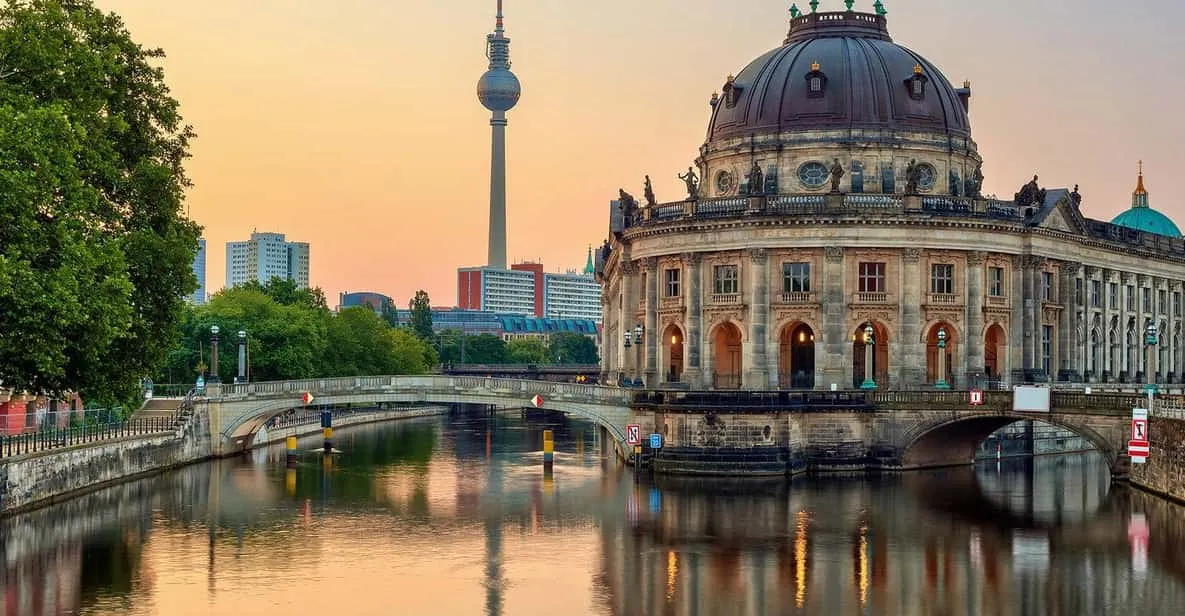
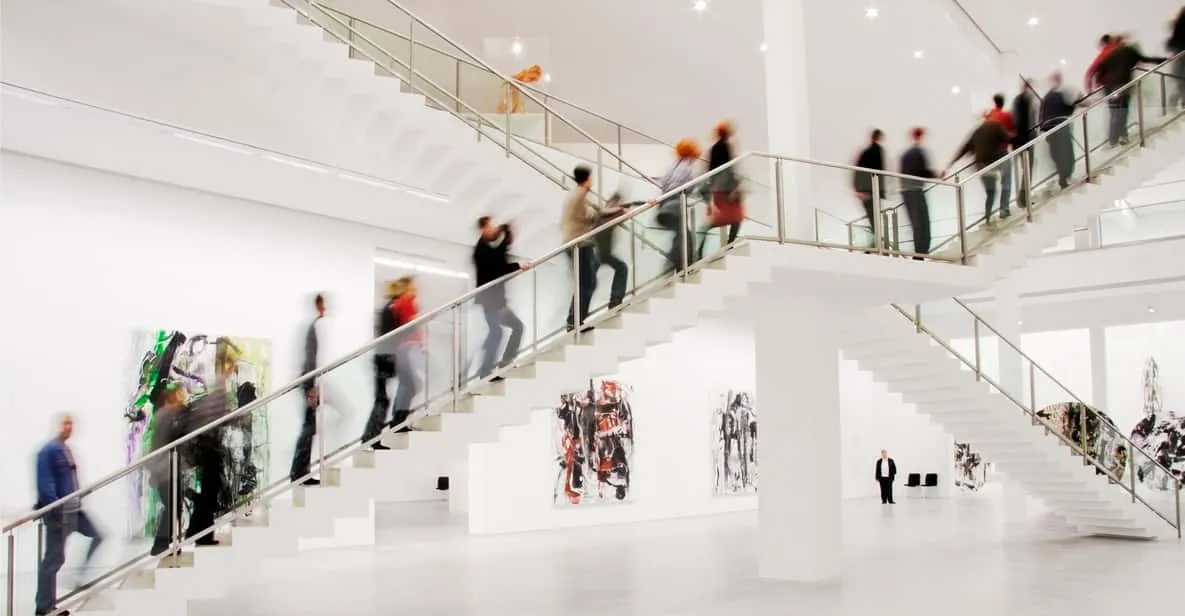
Museum Island Berlin is a sandbank in the Spree carrying five state museums built between 1830 and 1930, and it is a UNESCO World Heritage Site for exactly that reason: nowhere else did a nineteenth-century state build a whole island as a single argument about civilisation. The Altes Museum came first, Schinkel's colonnaded temple facing the palace across the Lustgarten. The Neues Museum, the Alte Nationalgalerie, the Bode and the Pergamon followed. Allied bombing gutted most of them, the GDR patched what it could, and the rebuilding has run for thirty years and is not finished.
Start with the honest warning. The Pergamonmuseum is closed, and has been since October 2023. The Pergamon Museum Berlin has been the city's most visited building for decades, and the Berlin Pergamon Museum north wing with the Pergamon Altar is due back on 4 June 2027; the south wing, which holds the Ishtar Gate Berlin museum-goers still travel for, along with the Market Gate of Miletus, is not scheduled to reopen until the 2030s. Any guide still listing it as a highlight is out of date. The museums on Museum Island Berlin that are open are still extraordinary: the bust of Nefertiti in the Neues Museum Berlin, which doubles as the Egyptian Museum Berlin visitors go looking for; Greek and Roman sculpture in the Altes Museum Berlin; Byzantine and Baroque work in the Bode Museum Berlin; and Caspar David Friedrich and the Impressionists in the Alte Nationalgalerie. Asisi's Pergamon Panorama, in a rotunda across the canal, is the only way to stand inside the ancient city at the moment, and it does the job better than the word substitute suggests.
All five buildings close on Mondays, and two of them shut earlier than the rest: the Altes Museum and the Bode close at 17:00 from Tuesday to Friday, while the Neues and the Alte Nationalgalerie run to 18:00 all week. If you are doing more than one museum, the €24 island day ticket beats paying €14 at each door. One small confusion worth clearing up: German-language listings and ticket sites often invert the names, so Berlin Neues Museum, Museum Bode Berlin and Berlin Museum Bode all refer to the same two buildings you already have on your list.
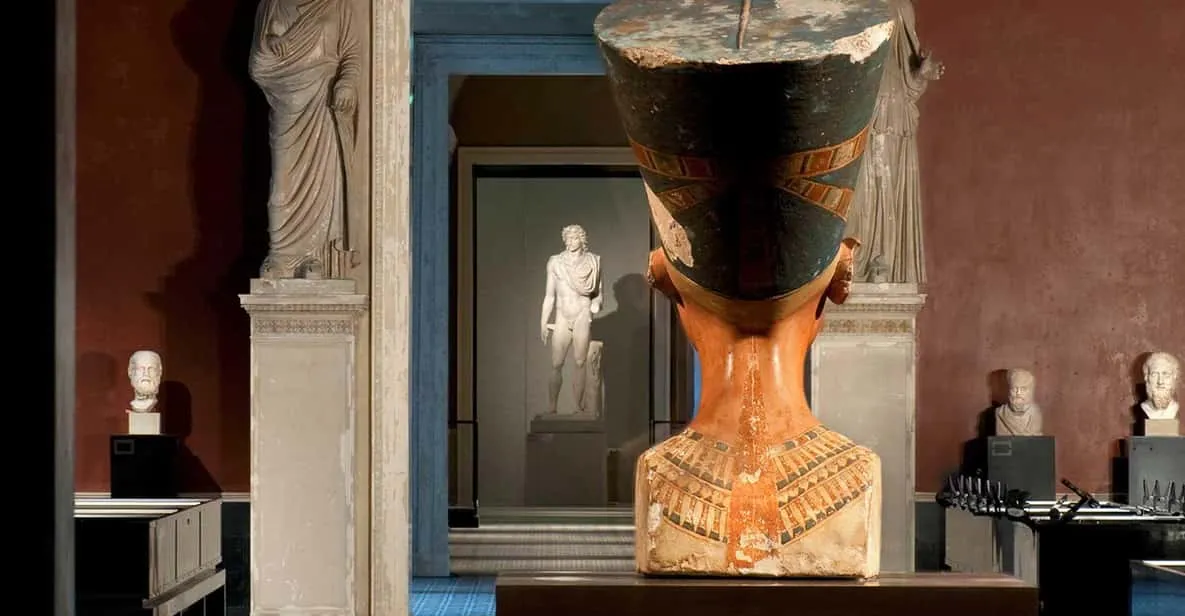
This is the Nefertiti bust Berlin museum guides call the city's single most famous object: three thousand years old, found at Amarna in 1912, displayed alone in a domed room. No photography in that room, though you may shoot her from either room next door.
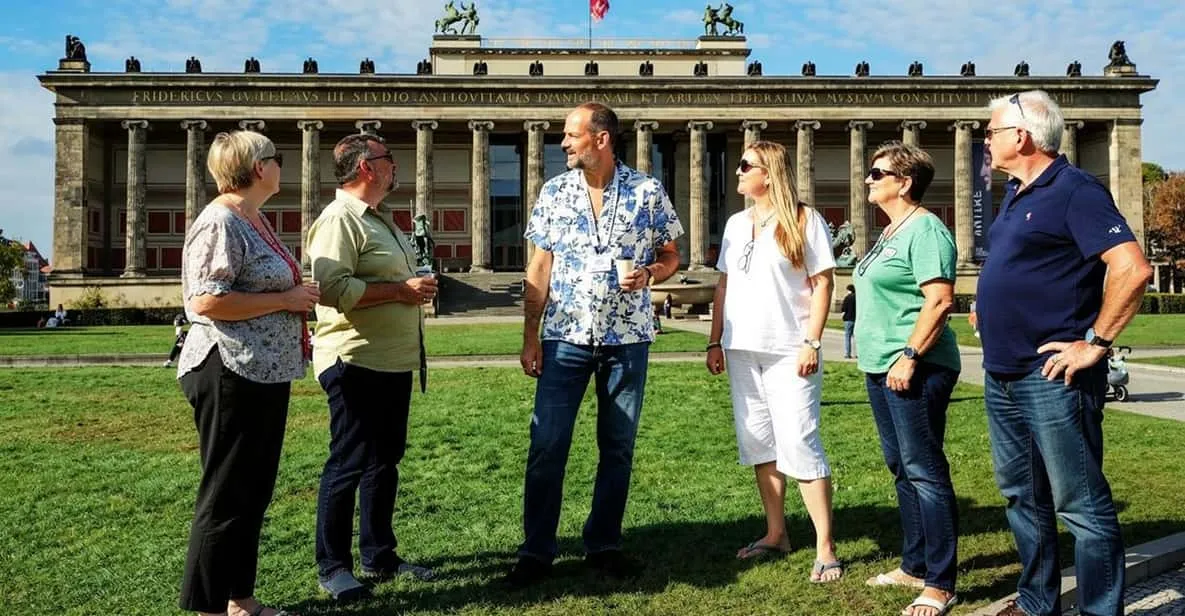
The Altes Museum's domed hall of Roman statuary, modelled on the Pantheon and still the most composed interior on the island. Prussia's first public museum, opened 1830.
A Bronze Age cone of beaten gold covered in calendrical symbols, one of four known in the world. Neues Museum, and easy to walk past.
Byzantine ivories, Donatello and Tilman Riemenschneider under a dome at the northern tip, in the emptiest galleries on the island.
The Alte Nationalgalerie holds Monk by the Sea and Friedrich's other great Romantic canvases, plus Menzel, Manet and Monet upstairs.
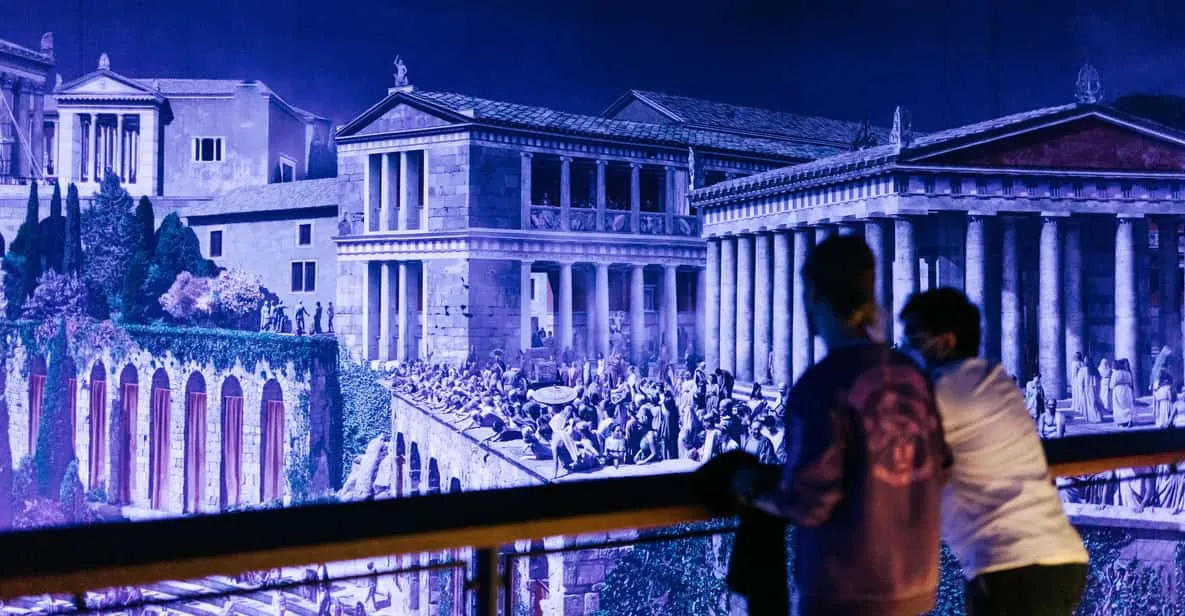
A 360-degree canvas of ancient Pergamon in 129 AD, shown with original sculpture from the great altar frieze, in a rotunda opposite the closed museum.
The Pergamonmuseum is closed until 4 June 2027, and its Ishtar Gate wing until the 2030s. Photography is banned in Nefertiti’s domed room, but allowed from either room next door.
Two museums in a morning is comfortable, three is work, and four is a route march that ends with you resenting Byzantium. The sensible plan for a first visit is the Neues Museum plus one other, with the €24 island day ticket covering both. Go at opening or after 15:00; between noon and three the group tours arrive, the James-Simon-Galerie entrance queue builds, and Nefertiti's room becomes a slow shuffle.
Timed slots are not compulsory at the state museums, but booking online is what gets you past that queue.
We booked the island ticket and did the Neues and the Bode in one morning. Nefertiti is genuinely worth the fuss, but the Bode was the surprise — vast sculpture halls and almost nobody in them.
Do check what is actually open. We had the Pergamon on our list from an old guidebook and it has been shut for years. The Panorama across the way was a decent consolation.
Go late in the afternoon. We got to the Neues Museum at three and the Egyptian rooms had emptied out. At midday the queue at the James-Simon entrance was around the corner.
Entry to the Neues, Altes and Bode museums, the Pergamon Panorama, and guided routes that link the island buildings with the rebuilt palace beside them.
from $16
from $16
from $16
from $16
from $23
from $18
from $25
from $37
from $456 The Jewish Museum of Berlin is the museum most people leave changed, and much of that happens before a single exhibit. Daniel Libeskind's 2001 building is a zinc-clad zigzag slashed with irregular windows, built around voids that run its full height and cannot be entered. You walk sloping corridors to the Holocaust Tower, a bare concrete shaft with one slit of daylight and a door that closes behind you, and to the Garden of Exile, forty-nine tilted pillars that make the ground feel wrong underfoot. In the Memory Void, ten thousand iron faces by Menashe Kadishman lie on the floor and you are invited to walk across them.
The permanent exhibition covers seventeen centuries of Jewish life in German-speaking lands, and it is deliberately not only a Holocaust museum — the point is the life, not just the destruction. Admission to the core exhibition is free of charge for everyone, which for a museum of this standing is remarkable. It closes on Mondays, and last admission is an hour before the doors shut.
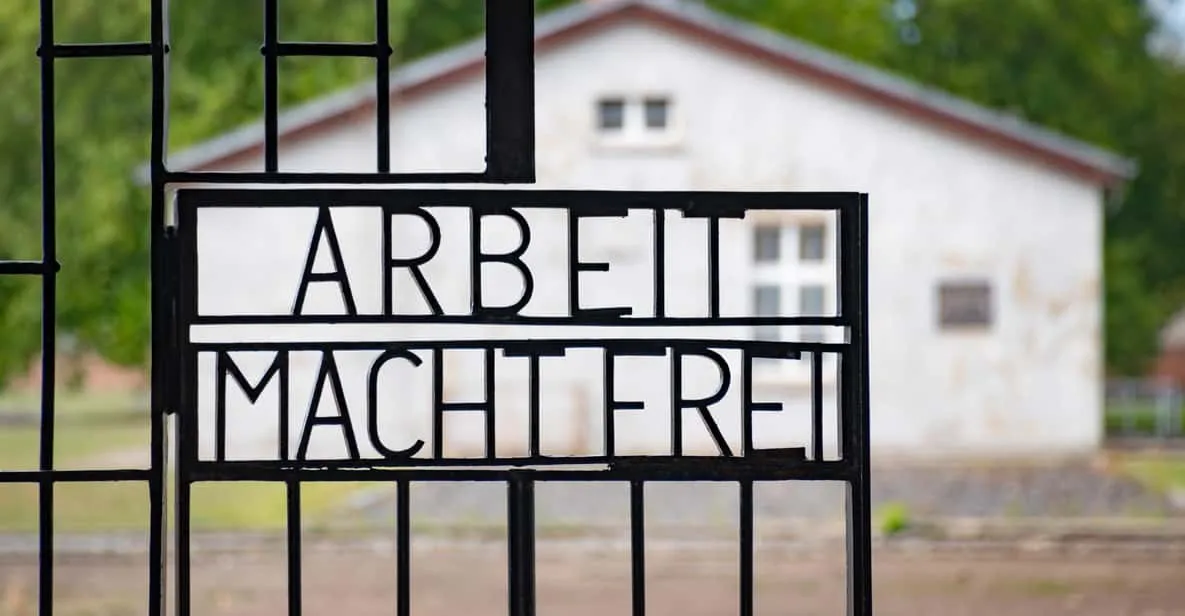
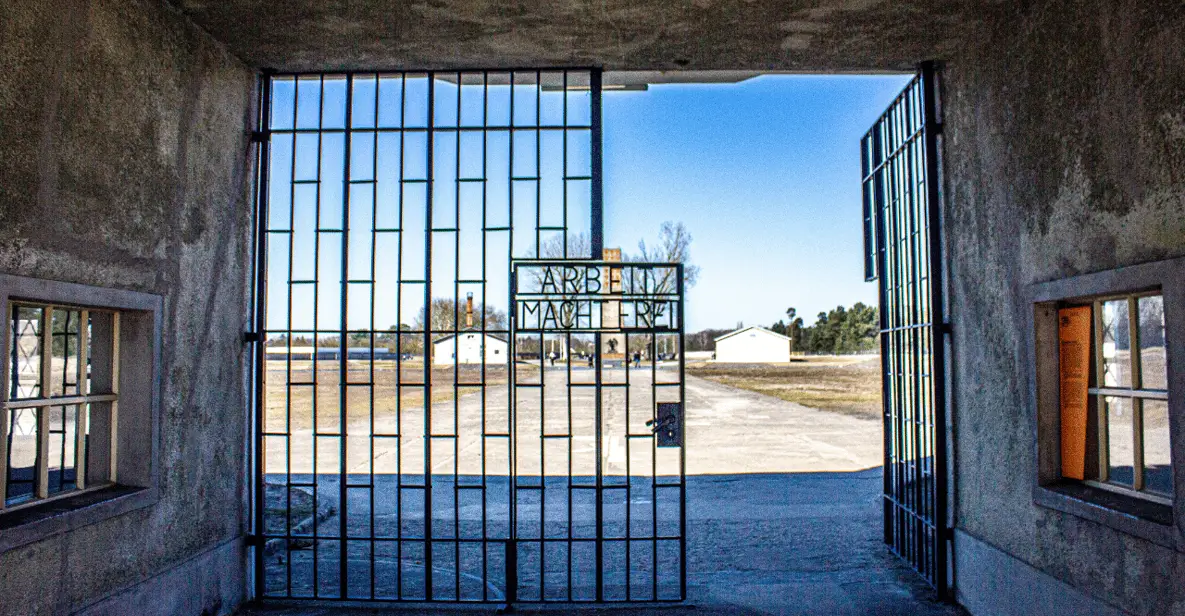
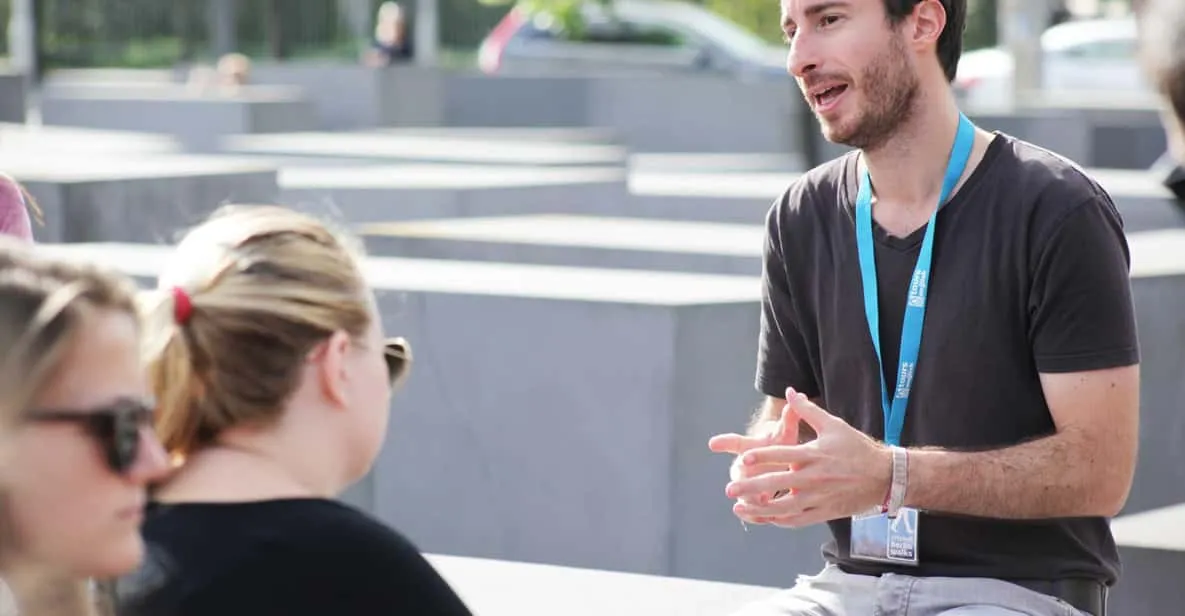
There is no single Holocaust museum Berlin runs under that name, which is the answer to a question people ask constantly. Travellers searching for a Holocaust museum Berlin Germany, a Shoah museum Berlin or a Berlin Holocaust museum are usually pointed to three places: the Jewish Museum in Berlin, the Memorial to the Murdered Jews of Europe, and the Sachsenhausen memorial north of the city. The wider story is told across the city. The Memorial to the Murdered Jews of Europe near the Brandenburg Gate is free and open at all hours, with a documentation centre beneath it. And north at Oranienburg, Sachsenhausen was the concentration camp the SS built as a model and ran as its administrative headquarters. Entry to the memorial and its museums is free; the regional train gets you there in about 25 minutes against 45 on the S-Bahn, and either way you need a zone ABC ticket. Visiting with a guide is the difference between a difficult day and a meaningless one.
An unheated concrete shaft, empty, lit by a single slit far overhead, with a heavy door that shuts behind you. The most affecting room in Berlin, and it contains nothing.
Forty-nine concrete pillars on sloping ground, planted with olive willow above head height. Designed to disorient, and it does.
Ten thousand iron faces cut with open mouths, covering the floor of a void. You are meant to walk on them, and the sound carries up the shaft.
Seventeen centuries of Jewish life in Germany, from medieval Ashkenaz to the present, told through objects and family stories rather than statistics. Free entry.
Eisenman's 2,711 stelae on undulating ground near the Brandenburg Gate, free and always open, with a documentation centre underneath.
The camp the SS built as a prototype, thirty-five kilometres north at Oranienburg. The roll-call ground, the barracks and the pathology block, all preserved as a memorial.
Closed Mondays, and last admission is an hour before closing. Allow two and a half hours: the building itself takes an hour before you reach the collection.
Do the building before the collection, in the order Libeskind designed: down to the underground axes first, out to the Garden of Exile, into the Holocaust Tower, and only then up to the exhibition. Reversing it turns the architecture into a corridor you hurry through. For Sachsenhausen, take a guided tour rather than going alone — the site is large, sparsely labelled in English, and the guiding is what holds it together.
The Holocaust Tower is the single most powerful space I have stood in. Completely empty, freezing, one sliver of light. We came out silent. Nothing in the exhibition matches what the building does to you.
Free entry to the core exhibition and it is a world-class museum. We had no idea. Do check the day though, we turned up on a Monday first and it was shut.
Sachsenhausen with a guide was the right call. Our guide gave individual stories instead of numbers, and answered everything. Difficult, necessary, and we were glad not to have wandered it alone.
Free timed entry to the Jewish Museum Berlin, and the two guided routes to the Sachsenhausen memorial north of the city.
from Free
from $24
from $14 Berlin's relationship with its Nazi past is unlike any other capital's: the city refuses monuments to the perpetrators and documents them instead, usually on the exact ground where they worked. There is no grand WW2 museum Berlin can point you to, no Berlin war museum with tanks and flags, and no world war 2 museum Berlin built to celebrate anything. The WW2 museums in Berlin are documentation centres. What exists is quieter and more unsettling — an excavated cellar, a car park, a set of information panels where a ministry stood.
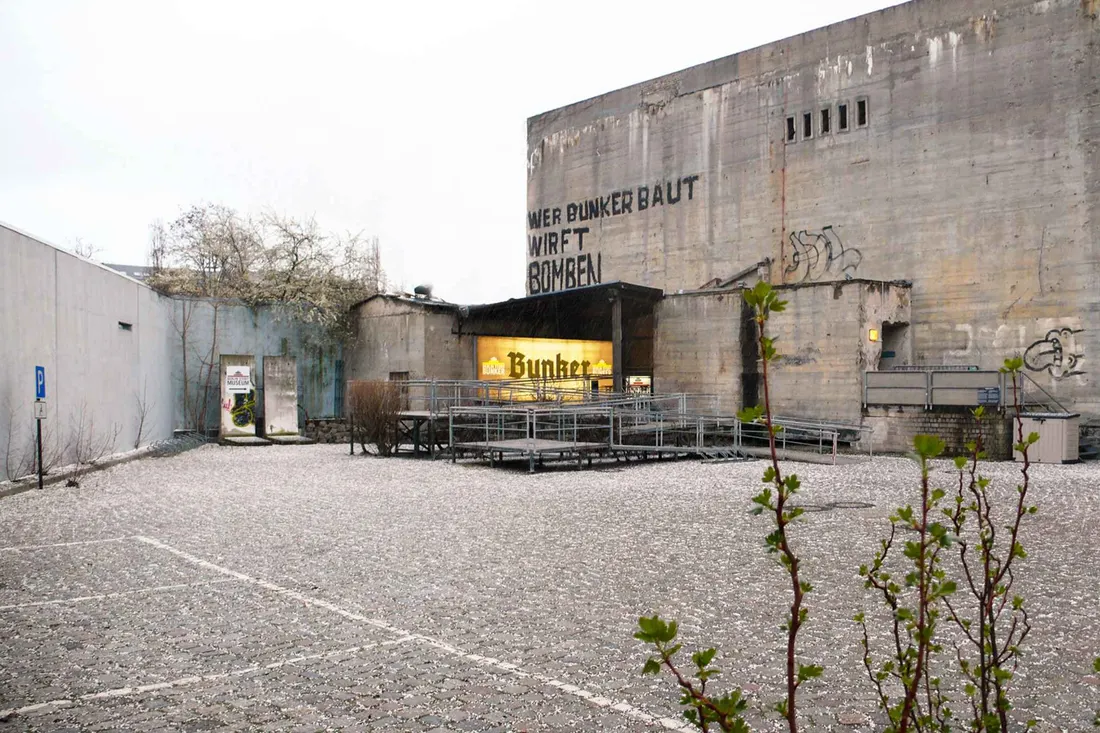
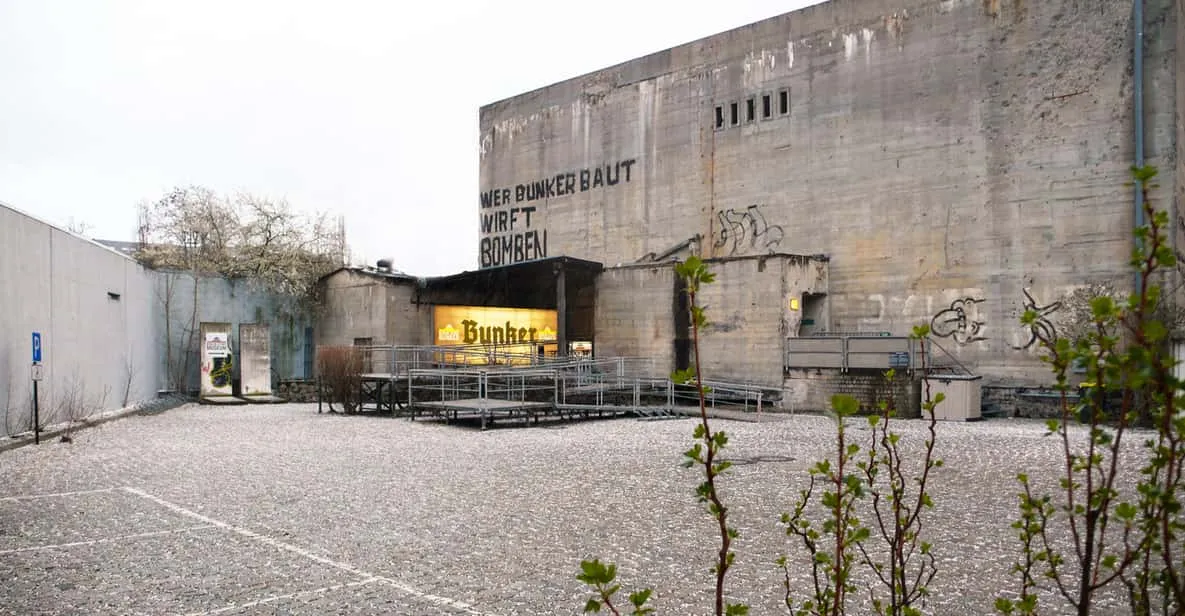
The essential site is the Topography of Terror museum Berlin sends everyone to, built on the demolished headquarters of the Gestapo and the SS on Niederkirchnerstraße. If you have searched for a museum terror Berlin keeps in the centre of town, this is it. It is free, open daily, and its outdoor trench of panels runs beneath one of the longest surviving stretches of the Berlin Wall, which makes the point about two dictatorships on one plot of land without saying a word. The Berlin Story Bunker, near the old Anhalter Bahnhof, is a genuine wartime air-raid shelter holding a long documentary exhibition on how Hitler came to power; the concrete is as much the exhibit as the panels.
Almost everything else is absence. The Führerbunker is a car park with a single information board. The ministries along Wilhelmstraße are mostly gone. This is the category where a guided walk earns its money, because without one you are looking at nothing and being told nothing.
The excavated cellars of the Gestapo and SS headquarters, with an indoor documentation centre and an outdoor trench of panels. Free, open daily, no booking.
One of the longest remaining stretches of the Berlin Wall runs directly along the Topography site, so two dictatorships occupy one plot of ground.
A wartime air-raid bunker holding the exhibition "Hitler — how could it happen", plus an audio guide. Cold, raw and effective.
A car park in a residential block with one information board. Deliberately unmarked otherwise, and the guides explain why.
The government quarter of the Reich, largely erased. What survived, including Göring's Aviation Ministry, is still in use by the state today.
The Bendlerblock courtyard where Stauffenberg was shot after the 20 July plot, now a free memorial and documentation centre.
Free and open every day, including Mondays when the state museums shut. Allow ninety minutes, and do the outdoor trench along the Wall as well as the indoor centre.
The practical route runs south from the Brandenburg Gate: the Memorial to the Murdered Jews, the Führerbunker car park, the Topography of Terror, then Checkpoint Charlie, all within twenty minutes on foot. Add the Story Bunker if you want a full indoor exhibition. Do it with a guide the first time; these sites are defined by what is missing, and a guide is the only thing that makes absence legible.
Our guide walked us to a car park and explained that we were standing on the Führerbunker. Without that we would have walked straight past. Two hours and it reframed the whole city for us.
The Topography of Terror is free and it is better than most museums you pay for. The outdoor panels run right along the Wall. Give it a proper ninety minutes.
The bunker exhibition is text-heavy and thorough rather than flashy. The audio guide helps. Standing inside those walls is what stays with you.
The wartime bunker exhibition and the two guided walks over the sites of the Nazi state, most of which no longer stand.
from $23
from $21
from $21 For twenty-eight years Berlin was the front line of the Cold War, and the museums that cover it are scattered along the seam where the Wall ran. The Berlin Wall museum most visitors mean is the Wall Museum Berlin runs at the East Side Gallery, in the old Oberbaum customs house at the end of the longest surviving painted stretch, and tells the story through film, testimony and escape accounts rather than objects in cases. At Bernauer Straße the Berlin Wall Memorial museum preserves a full cross-section of the border strip, watchtower included, outdoors and free. It is the closest thing to a museum of the Wall Berlin has built with public money.
The espionage side is its own genre here. The German Spy Museum Berlin runs at Potsdamer Platz stands on what was the death strip and runs from the Enigma machine to Stasi bugging devices and a laser maze you can actually crawl through. The Stasi Museum Berlin keeps out in Lichtenberg is the real thing: Erich Mielke's own offices in the ministry's headquarters, wood panelling and telephones untouched. And Teufelsberg, an American listening post built on a hill made from the rubble of the bombed city, is now a half-ruined complex of torn radomes covered in street art, with a view over everything.
The Checkpoint Charlie Museum Berlin argues about most, officially the Museum am Checkpoint Charlie Berlin, is the old warhorse of the category. It is cluttered, dense and expensive, and it still holds the best collection of genuine escape devices anywhere: hot-air balloons, modified cars, a homemade mini-submarine.
1.3 km of the Wall painted by artists in 1990, free and always open. The Wall Museum sits at its eastern end in the old customs house.
The only place preserving the full depth of the border: wall, death strip, watchtower and patrol road. Outdoors, free, and the most honest Wall site in the city.
Built on the death strip at Potsdamer Platz. Enigma, Stasi listening kit, code-breaking games and a laser maze. The most hands-on museum here.
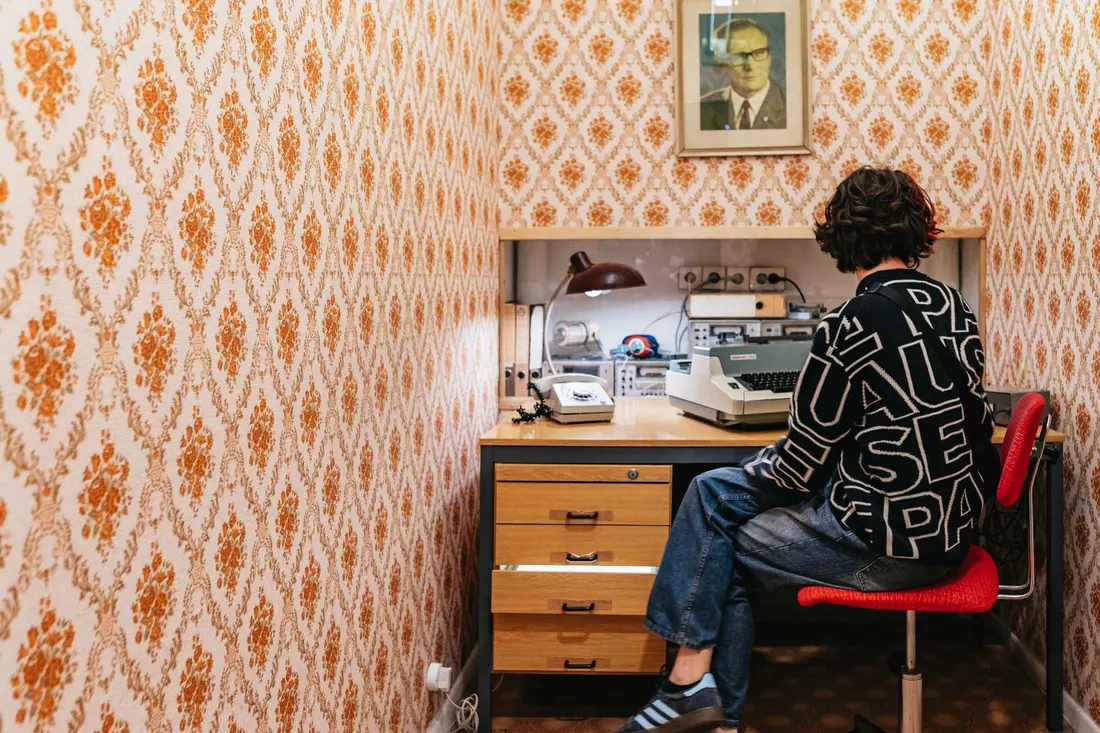
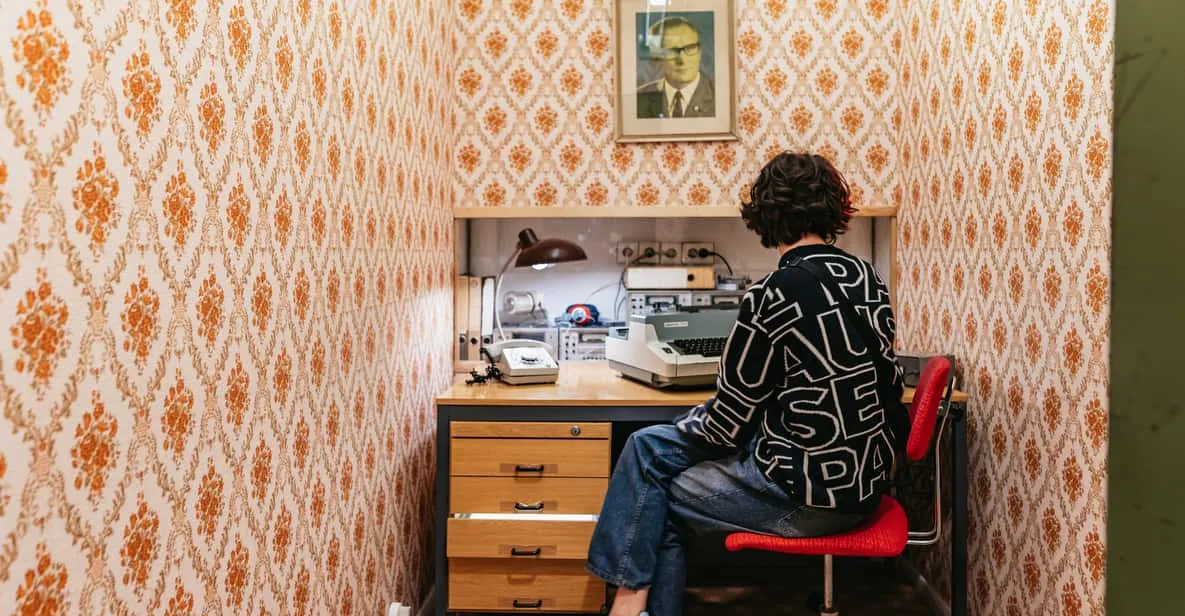
The Stasi Museum keeps the minister's suite of rooms exactly as they were, down to the desk and the safe, inside the old ministry complex in Lichtenberg.
An NSA-era listening station on a rubble hill in the Grunewald, radomes torn open, every surface painted. Half Cold War ruin, half street-art gallery.
The Mauermuseum's collection of the actual balloons, cars and submarines people used to cross. Old-fashioned display, unmatched objects.
Open every day including Mondays, which makes it the obvious Monday museum. Allow two hours if you want to try the interactive stations rather than walk past them.
The geography splits three ways. Central: the Spy Museum, Checkpoint Charlie and the Topography of Terror, all walkable. North: the Berlin Wall Memorial at Bernauer Straße, free and outdoors.
East: the East Side Gallery and the Wall Museum, plus the Stasi Museum further out in Lichtenberg. Teufelsberg is a half-day of its own out west, and worth it if you like ruins more than vitrines.
Teufelsberg was the highlight of the week. Climbing through the radomes with the wind howling and street art on every wall, then the whole of Berlin laid out below. Wear proper shoes.
The Spy Museum is far more interactive than we expected and the kids loved it, especially the laser maze. Adults get the Enigma machine and the Stasi section, which is genuinely chilling.
The Wall Museum at the East Side Gallery is small but the escape films are extraordinary. Walk the painted Wall first, then go in. Doing it in that order made much more sense.
The Wall Museum at the East Side Gallery, the German Spy Museum, the Stasi headquarters and the listening station on Teufelsberg.
from $26
from $14
from $14
from $252
from $48 The Cold War museums deal with the border and the spying. The DDR museums deal with what it was actually like to live here, which turns out to be the part visitors remember. The DDR Museum sits on the Spree directly opposite the cathedral, and its whole method is that you open things: kitchen cupboards in a reconstructed Plattenbau flat, a wardrobe of East German clothing, the glovebox of a Trabant you can sit in and drive on a simulator. It is small, it gets crowded from midday, and it is one of the most-visited museums in Berlin for a reason.
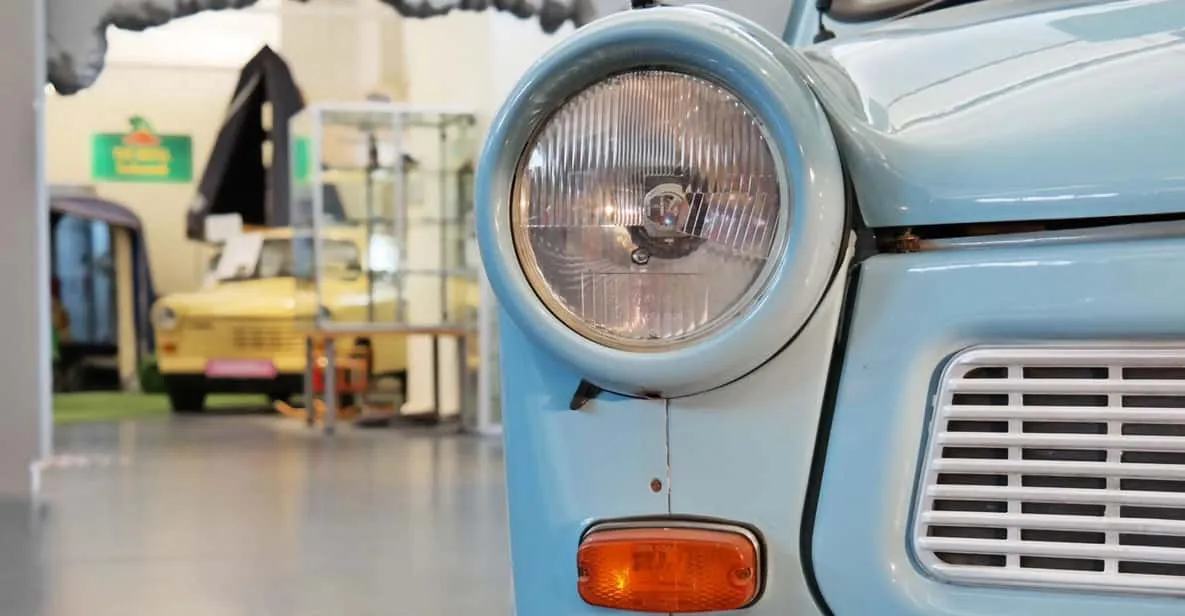
The Trabi Museum near Checkpoint Charlie is narrower and cheaper: a room of the cardboard-bodied cars, the ten-year waiting lists, and the culture that grew around a vehicle nobody could easily replace. Twenty minutes, and more affecting than the subject sounds.
A warning about a common search: the museum in the Kulturbrauerei covering everyday life in the GDR is a different institution from the DDR Museum on the Spree, and it is free. Between them, and the DDR-era architecture along Karl-Marx-Allee outside, the eastern half of the city is more legible than any single exhibition makes it.
Sit in a Trabant and drive it through a projected East Berlin. The single most queued-for thing in the DDR Museum, and the reason to arrive early.
A complete prefab apartment, reconstructed room by room. Open the cupboards and the drawers; that is the point of the museum.
How the Stasi's reach worked at the level of a neighbour, a caretaker, a colleague. The quiet counterweight to the nostalgia.
The Trabi Museum near Checkpoint Charlie has the cars, the waiting lists and the workarounds that kept a two-stroke on the road for decades.
Packaging, brands, holiday camps and the FKK nudist beaches — the ordinary texture that political histories leave out.
Not a museum: a two-kilometre boulevard of socialist-classical housing, free to walk, and the best surviving DDR statement in the city.
Open daily and late, which makes it a good Monday or evening option. It is small and gets packed between noon and 16:00 — go early or go after 18:00.
The DDR Museum takes ninety minutes and sits five minutes from Museum Island, so it pairs naturally with a morning on the island. If you want the fuller picture, add the Stasi Museum in Lichtenberg for the state's own view of its citizens, and walk Karl-Marx-Allee between them. The contrast between the cheerful reconstructed living room and Mielke's office is the whole point.
Far better than we expected. You open everything, sit in the Trabi, look through the drawers. Our teenagers were engaged for the whole visit, which never happens in a museum.
Small and very crowded when we went at 14:00. Go early or late — it is open until nine, which nobody seems to realise. The content is excellent, the crush is not.
I grew up in the East and my children did not. Watching them work out that this was our kitchen was worth the ticket several times over.
Skip-the-line entry to the DDR Museum on the Spree, a private tour that pairs it with the old town, and the Trabi Museum by Checkpoint Charlie.
from $16
from $10
from $220 Berlin art museums are split across the city rather than gathered in one quarter, which is a direct legacy of division: each half built its own set, and reunification left the collections spread out. The Kulturforum near Potsdamer Platz holds the western concentration, and its centrepiece is Mies van der Rohe's Neue Nationalgalerie, a black steel-and-glass pavilion on a granite podium with the twentieth-century collection below ground. Architects fly in for the building alone, and David Chipperfield's restoration reopened it with the roof unchanged.
There is no institution called the Museum of Modern Art Berlin, so the modern art museum Berlin visitors mean is usually the Neue Nationalgalerie, and the contemporary art museum Berlin sends you to is the Hamburger Bahnhof. Contemporary work lives there, in a nineteenth-century railway terminus with a hall big enough for Beuys and Kiefer at full scale. The Berlinische Galerie in Kreuzberg covers art made specifically in Berlin from 1870 onwards, which means Dada, the Berlin Secession and the sharp-eyed Neue Sachlichkeit painters of the Weimar years. It closes on Tuesdays, unlike almost everything else.
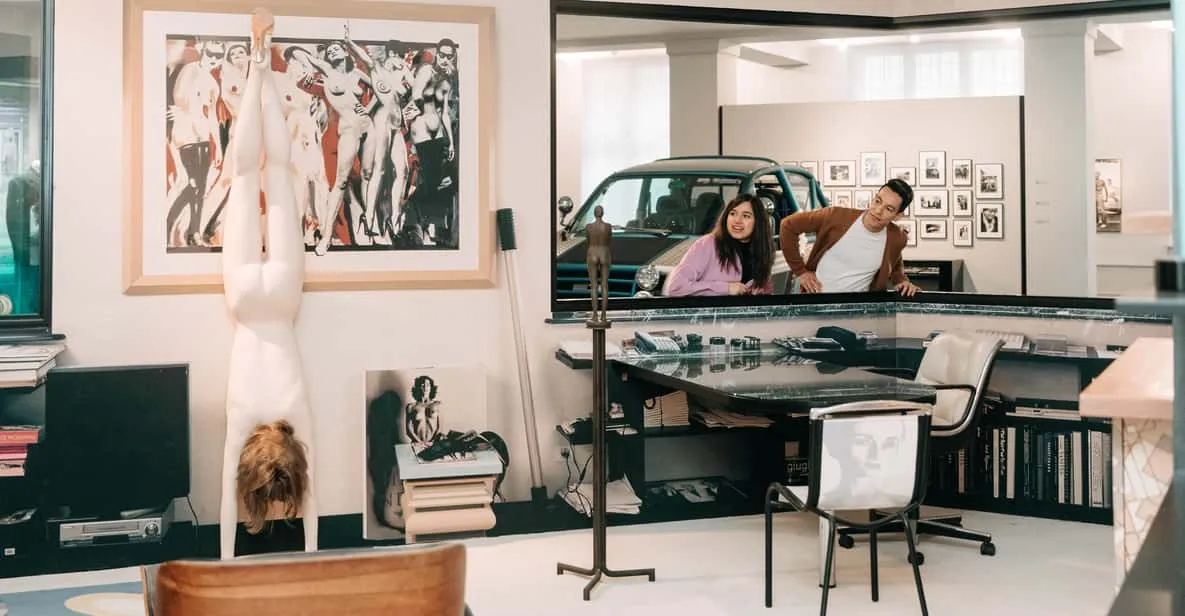
Photography is unusually strong here. The Museum für Fotografie by Zoo station holds the Helmut Newton Foundation, with his own archive and his reassembled Monte Carlo apartment. Fotografiska took over the old Kunsthaus Tacheles on Oranienburger Straße, a squatted ruin turned exhibition house that stays open late. Berlin art galleries and museums for old masters come down to one address: the best art museum in Berlin for painting before 1800 is the Gemäldegalerie at the Kulturforum, the serious collection — Vermeer, Bruegel, Rembrandt — and it is consistently the least crowded great gallery in the city.
The Neue Nationalgalerie's upper floor is one vast column-free room under a black steel roof. His last building, restored and reopened with the original steel intact.
The Hamburger Bahnhof has the ceiling height for work that does not fit anywhere else, in a converted railway terminus by the Hauptbahnhof.
The Berlinische Galerie holds the Neue Sachlichkeit painters, the Berlin Secession and Dada — the city painting itself between the wars.
The Museum für Fotografie is built around his foundation, with his archive, his cameras and his Monte Carlo apartment reassembled inside.
The Gemäldegalerie at the Kulturforum holds one of Europe's great old-master collections and is reliably the quietest of the lot.
Urban Nation in Schöneberg is a museum built for street art rather than around it, and the murals in the surrounding streets are half the visit.
The glass hall is worth seeing empty as well as full — check what temporary installation is in it before you go, because it changes the building completely.
Two clusters, one day each if you are serious. The Kulturforum gives you the Neue Nationalgalerie, the Gemäldegalerie and the Kunstgewerbemuseum within a few hundred metres, which is the strongest concentration of art in the city now that the island is half rebuilt. Kreuzberg gives you the Berlinische Galerie and, ten minutes away, the Jewish Museum.
The Hamburger Bahnhof sits alone by the Hauptbahnhof and deserves its own half-day.
The Neue Nationalgalerie is worth it for the building even if you skip the art. Standing in that glass hall with the city outside on all four sides is something else. The collection downstairs is very good too.
Hamburger Bahnhof has space no other museum here can offer, and the big installations really need it. Half of it was between shows when we visited, so check the programme first.
The Newton museum by Zoo station was the unexpected favourite. His apartment rebuilt inside the museum, his cameras, his contact sheets. Small and completely absorbing.
Entry to the Neue Nationalgalerie, Hamburger Bahnhof, Berlinische Galerie, Kunstgewerbemuseum and both photography museums, plus a street-art walk ending at Urban Nation.
from $23
from $18
from $14
from $17
from $14
from $11
from $32 If you are travelling with children, this is the category that saves the trip. The Berlin Natural History Museum, the Museum für Naturkunde on Invalidenstraße, holds the tallest mounted dinosaur skeleton in the world, a Brachiosaurus brought back from Tanzania and standing thirteen metres to the top of its skull, in a hall of sauropods that reliably stops people in the doorway. In the next room is the Berlin Archaeopteryx, the finest specimen ever found of the animal that links dinosaurs to birds. Further in, the wet collection lines up a quarter of a million preserved creatures in alcohol behind glass, floor to ceiling, which is either wonderful or deeply unsettling depending on the visitor.
The German Technical Museum Berlin built in Kreuzberg, the Deutsches Technikmuseum, is the other giant and the Berlin technology museum most people mean: a former railway depot holding locomotive halls, printing presses, shipping and aviation, with a Douglas C-47 from the Berlin Airlift mounted on the roof over the street. It is genuinely too big for one visit. The attached Science Center Spectrum has around 150 hands-on experiments, which is where families end up.
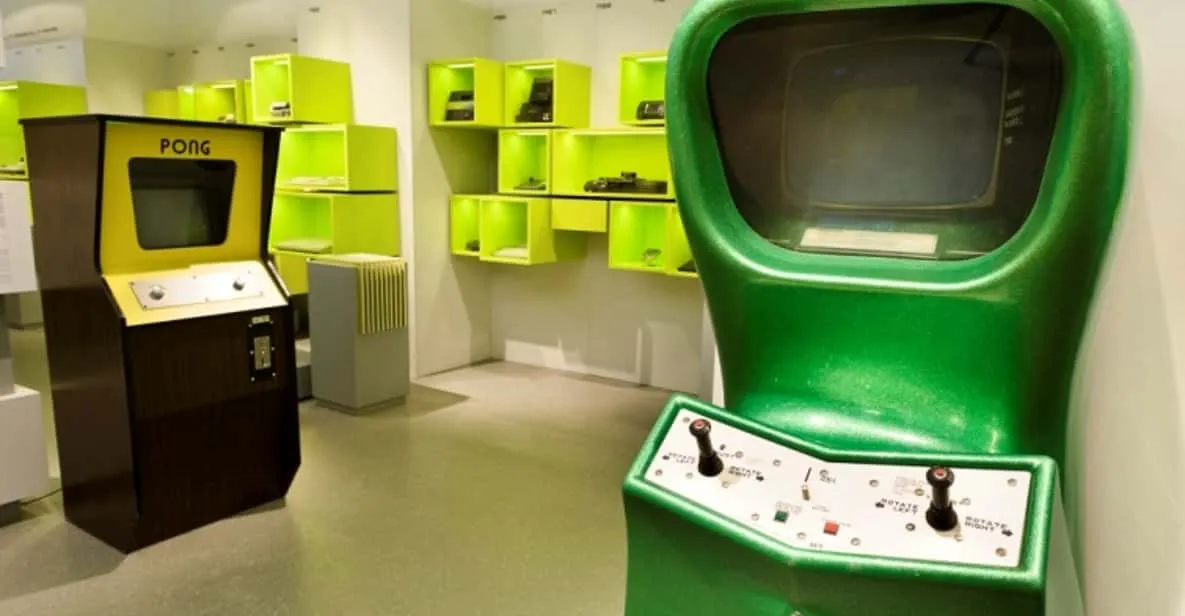
Smaller and cheaper: the Museum für Kommunikation Berlin, the oldest postal museum in the world, has three robots wandering a domed atrium and the Blue Mauritius stamps in a treasure chamber. The computer game museum Berlin keeps on Karl-Marx-Allee, the Computerspielemuseum, runs from Pong to the present with a wall of playable arcade machines.
A Brachiosaurus standing thirteen metres to the skull, excavated in Tanzania and mounted in the Museum für Naturkunde's central hall.
The best-preserved specimen of the feathered link between dinosaurs and birds, in a case of its own a few rooms away.
A quarter of a million animals preserved in alcohol, shelved floor to ceiling behind glass. Extraordinary, and not for everyone.
A Berlin Airlift C-47 mounted on the roof of the Technikmuseum, visible from the street below. Inside are the locomotive halls and the aviation collection.
The Science Center Spectrum next to the Technikmuseum has around 150 experiments you operate yourself, and is included in the ticket.
The Computerspielemuseum's playable arcade wall on Karl-Marx-Allee, plus the notorious PainStation that fights back.
Closed Mondays. Weekday mornings in term time are quiet; weekends and school holidays are not. The dinosaur hall is immediately inside, so the crowd concentrates there.
The Naturkunde museum takes two hours and sits north of Mitte; the Technikmuseum takes three and sits south in Kreuzberg. Doing both in a day means crossing the city and rushing, so pick one per day. If you have a teenager who would rather be anywhere else, the Computerspielemuseum and the Spy Museum are the two that reliably work.
You walk in and the Brachiosaurus is just there, filling the hall. Our six-year-old actually gasped. Two hours, cheap ticket, and the best museum for children in Berlin by a distance.
The Technikmuseum is enormous and we saw maybe half of it in three hours. The plane on the roof and the locomotive hall were the highlights. Wear comfortable shoes, seriously.
The wet collection is unlike anything else I have seen in a museum — room after room of jars, floor to ceiling. Fascinating, slightly grim, and worth the extra twenty minutes.
The natural history and technology museums, the world's oldest postal museum, and the computer games museum on Karl-Marx-Allee.
from $13
from $17
from $9
from $22 Berlin does not do whimsy by halves, and after three days of dictatorships and division most visitors want an afternoon that asks nothing of them. The unusual museums in Berlin cluster in Mitte and around Alexanderplatz, and they range from the genuinely serious to the purely photographic.
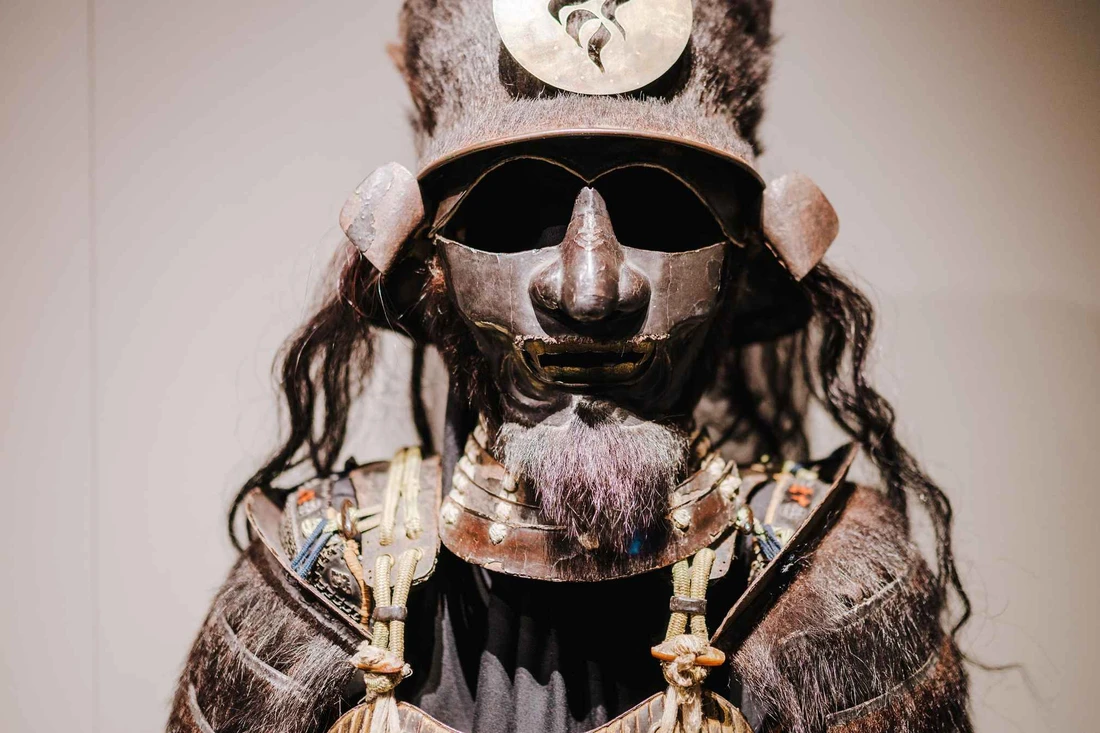
The standout is the Samurai Museum on Auguststraße, Europe's only museum of its kind: around a thousand pieces of armour, swords, masks and helmets from a single private collection, staged with projection and sound rather than rows of vitrines. It is a real museum that happens to be unexpected. At the other end, the Disgusting Food Museum Berlin opened on Schützenstraße gathers eighty of the world's most challenging foods, from Icelandic hákarl to century eggs, and the ticket includes tastings and sick bags that are not a joke.
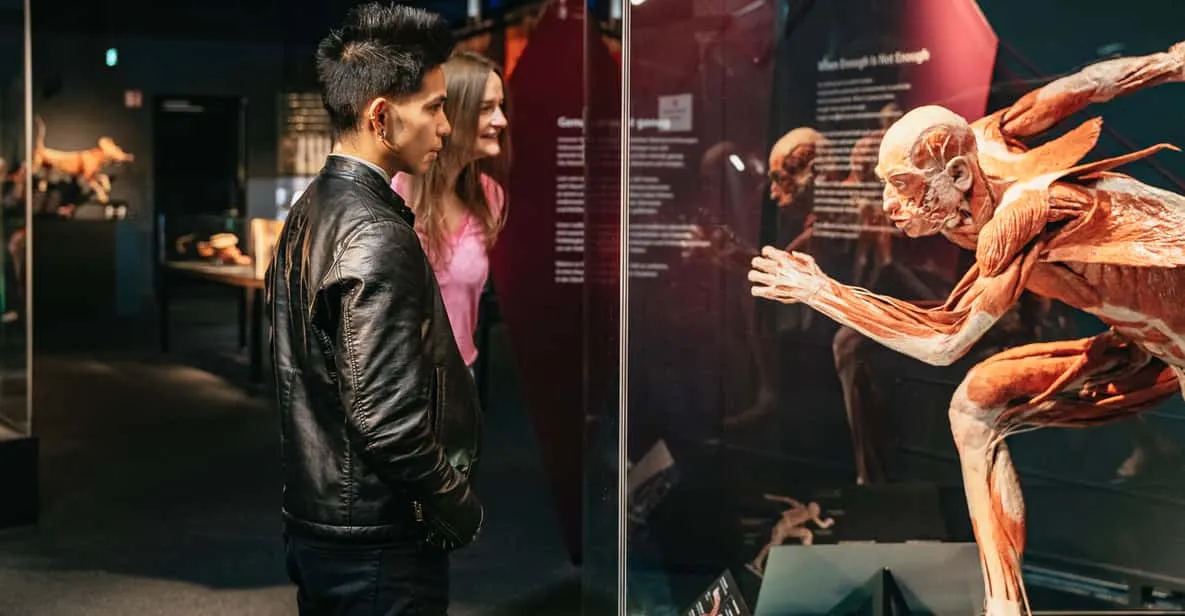
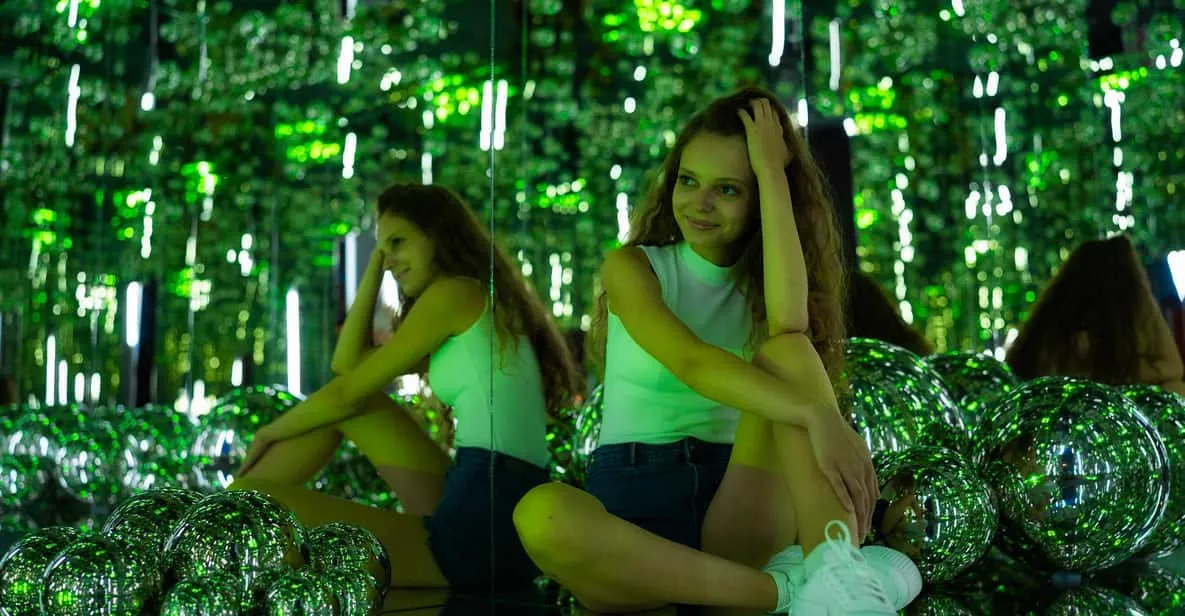
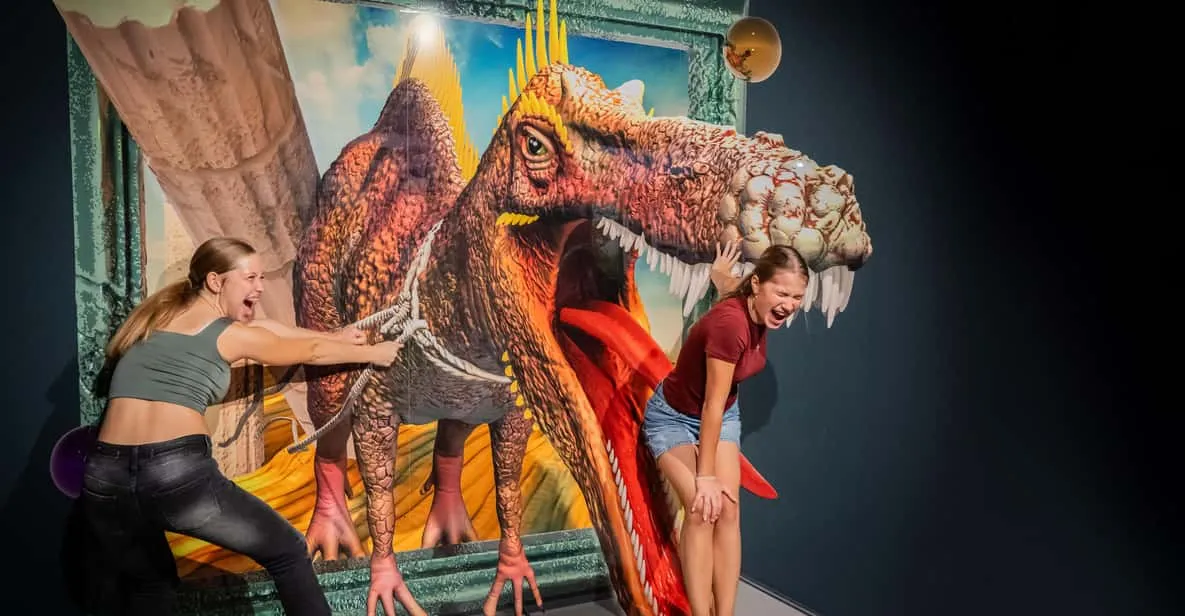
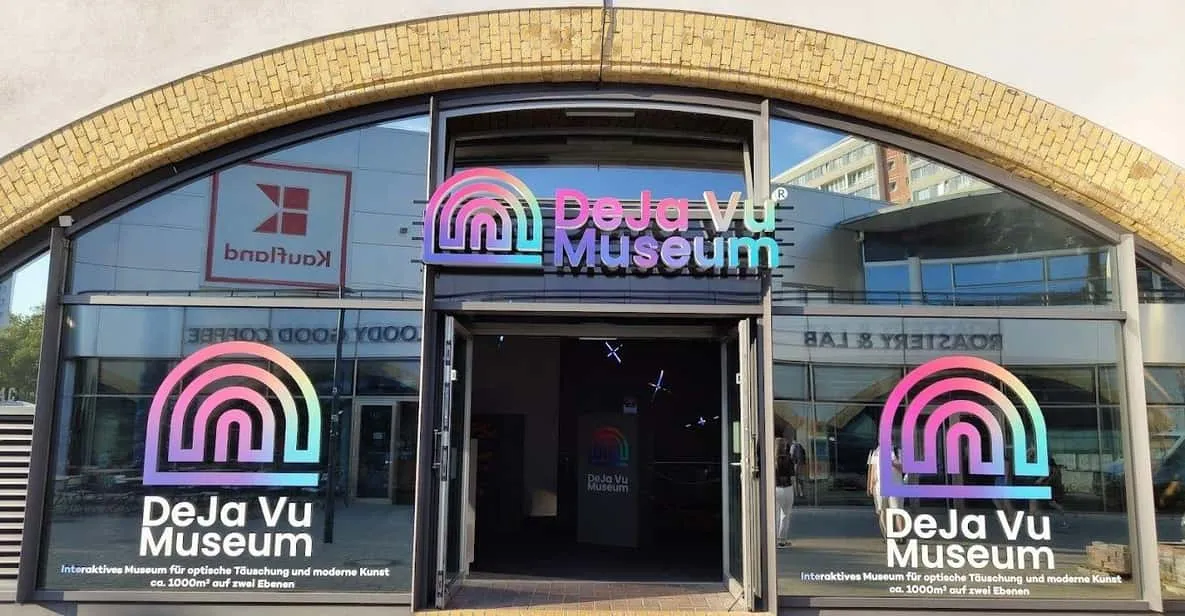
The illusion museums — Illuseum near Hackescher Markt, the Déjà Vu Museum, the 3D Trick Art Museum — are built for the camera and busiest at weekends. BODY WORLDS at Alexanderplatz shows Gunther von Hagens' plastinated human bodies in a permanent exhibition about the heart, which divides opinion by design. The Madame Tussauds museum Berlin put on Unter den Linden leans usefully German: Merkel, Einstein, Marlene Dietrich and a Bowie in the Berlin room.
A thousand pieces of armour, swords and masks from one collector, staged with projection and sound on Auguststraße in Mitte.
Surströmming, hákarl, century eggs and durian at the Disgusting Food Museum, with tastings included and sick bags provided in earnest.
BODY WORLDS at Alexanderplatz, von Hagens' preserved human bodies in a permanent exhibition on the heart. Not for young children.
Illuseum, the Déjà Vu Museum and the 3D Trick Art Museum: tilted floors, forced perspective and painted sets that only work through a lens.
Madame Tussauds on Unter den Linden runs heavily German — Merkel, Einstein, Marlene Dietrich and Bowie in the Berlin room.
The Ramones Museum is a genuine oddity: a punk shrine and bar with a small entry fee, and no obvious reason to be in this city at all.
The best-rated of the offbeat museums here, and a serious collection despite the category. Allow ninety minutes; the projection rooms are what people stay for.
Almost all of these sit within twenty minutes of Alexanderplatz, so they combine easily and work well in bad weather. The illusion museums are best on a weekday: at weekends every room has a queue for the photograph. If you are choosing one, make it the Samurai Museum, which is the only one here that would be a good museum in any category.
The Samurai Museum was the surprise of the trip. We went expecting a gimmick and found a serious collection, beautifully lit, with projections that actually explain what you are looking at.
The Disgusting Food Museum is exactly what it promises. The surströmming defeated me. Great fun with friends, less so if you are squeamish, and the tastings are included.
Illuseum is aimed squarely at photographs and the kids loved it. Go on a weekday if you can — on Saturday there was a queue for every room.
Samurai armour, difficult food, plastinated anatomy, wax figures and three museums built entirely for the camera.
from $16
from $19
from $24
from $18
from $25
from $19
from $18
from $42
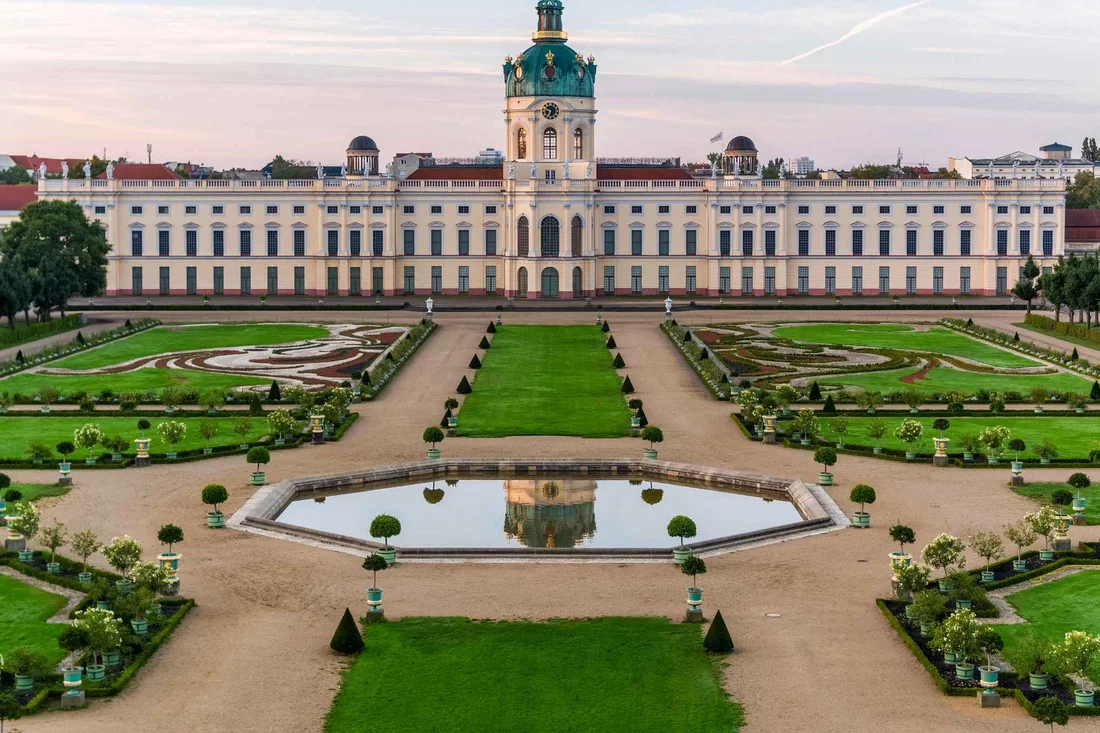
from $33 Berlin was a royal capital for four centuries, and the Hohenzollerns left palaces across the city, though the war left fewer than they built. Charlottenburg is the survivor that matters: a Baroque palace west of the centre, begun in 1695 for Sophie Charlotte, with state apartments, the Porcelain Cabinet lined floor to ceiling with Chinese and Japanese ware, and a park behind it that is free to walk. A large part of what you see was rebuilt after 1945, and the rooms are honest about which parts.
Köpenick Palace is the quiet alternative: a moated Baroque house on an island in the far south-east, now holding the decorative arts collection in its historic rooms, and almost never busy. In the centre, the Nikolaiviertel is the medieval quarter around the Nikolaikirche, the oldest building in Berlin, rebuilt by the GDR for the city's 750th anniversary and now housing the city history museums.
The newest arrival is the Humboldt Forum, the reconstructed royal palace on Museum Island holding the ethnological and Asian art collections. It is architecturally contentious and its colonial provenance debates are ongoing, both of which are part of what makes it interesting to visit. Note that it closes on Tuesdays rather than Mondays, tickets are now sold per exhibition at around €9, and parts of it, including the castle cellar and the sculpture hall, are free. Out in Dahlem, the Museum Europäischer Kulturen covers three centuries of European daily life, including a Venetian gondola parked indoors.
Charlottenburg's mirrored room lined floor to ceiling with Chinese and Japanese porcelain, the pure expression of Baroque royal mania for the stuff.
Charlottenburg's Baroque and Rococo rooms, much of it rebuilt after wartime destruction, with the palace open about which parts are reconstruction.
The garden behind Charlottenburg is free to enter, with the mausoleum and the Belvedere teahouse inside it. Worth an hour on its own.
Köpenick, Baroque and surrounded by water in the far south-east, holding decorative arts in period rooms and almost no visitors.
The Nikolaikirche in the medieval quarter, rebuilt for the city's 750th anniversary, now part of the city history museum.
The Museum Europäischer Kulturen in Dahlem covers three centuries of European daily life, and parks a Venetian gondola in the middle of it.
Closed Mondays. The park behind the palace is free and open longer than the building, so it works as an evening walk even if you skip the state rooms.
Charlottenburg is a half-day including the garden, and it sits far enough west that you should not try to bolt it onto a Museum Island morning. Köpenick is a genuine excursion, forty minutes out on the S-Bahn, and rewards anyone who likes a museum with no crowd in it. In the centre, the Nikolaiviertel combo is an easy ninety minutes between other things.
Charlottenburg is worth the trip out west. The Porcelain Cabinet has to be seen to be believed, and the garden behind is free and lovely. We spent a whole afternoon and never felt rushed.
Köpenick is a long way out and almost empty, which was exactly the point for us. A moated palace with a decorative arts collection and about six other visitors on a Saturday.
The Nikolaiviertel is reconstructed rather than original, which is worth knowing, but the church and the city museum tell Berlin's story well and it is right in the centre.
Charlottenburg and Köpenick palaces, the Berlin city history museum with the medieval quarter, and the European cultures collection in Dahlem.
from $22
from $9
from $17
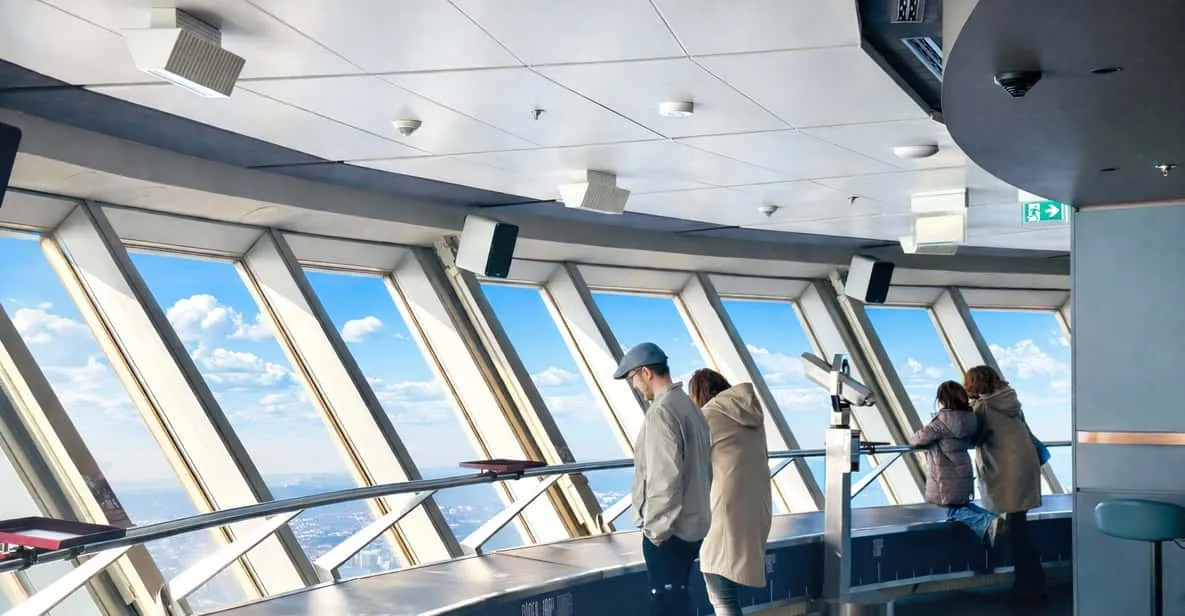
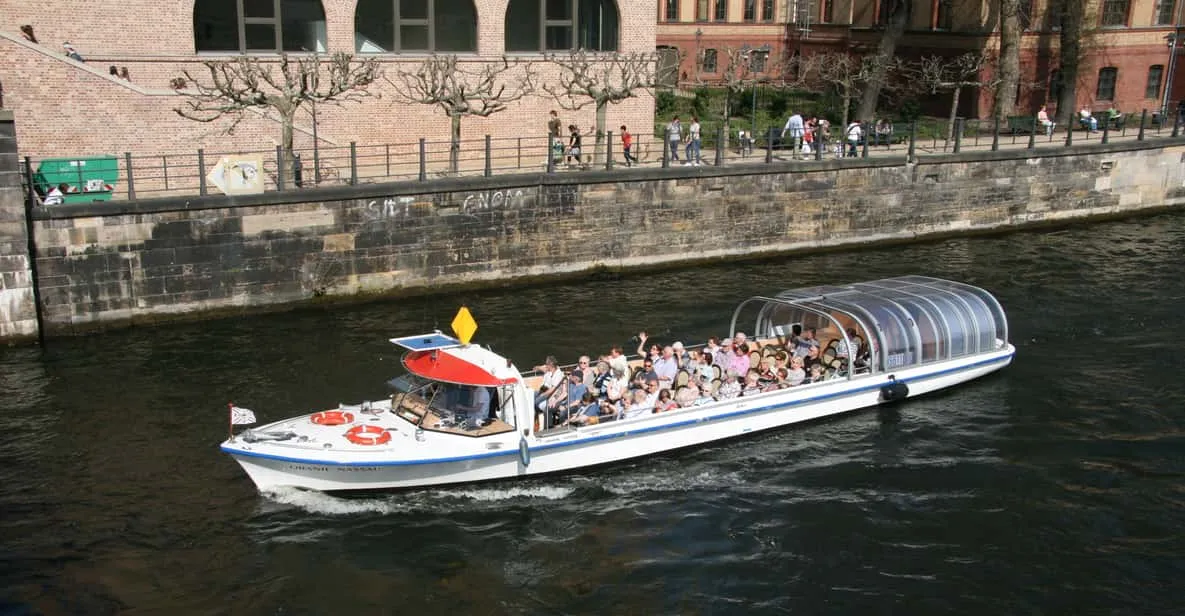
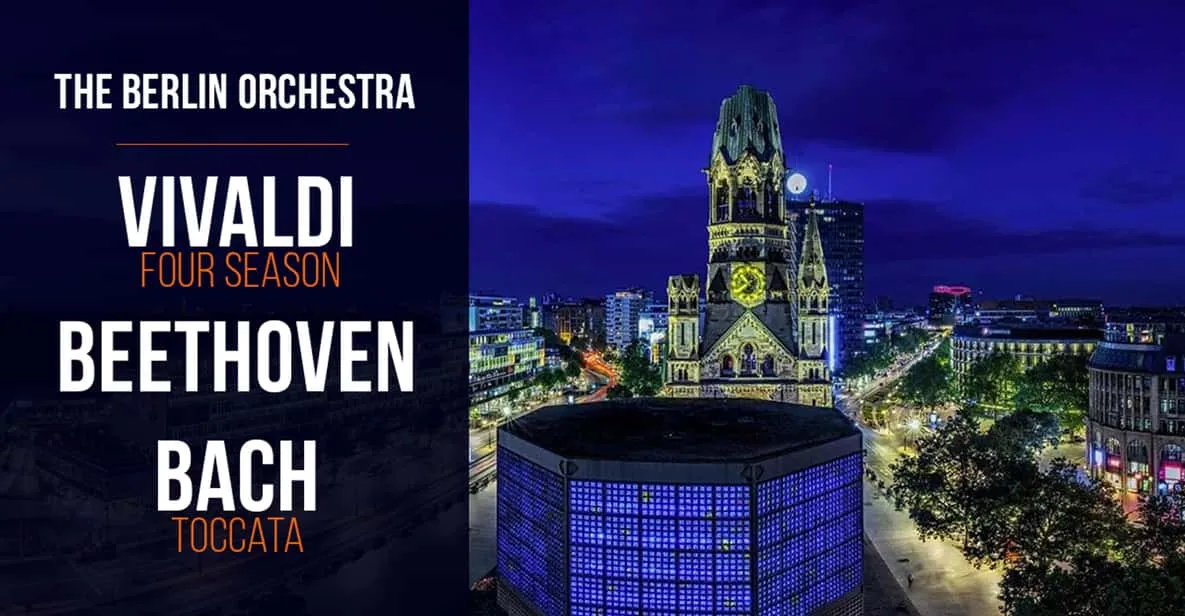
from $11 Four things worth booking that are not museums but sit alongside them: the view that makes sense of the city's layout, an hour on the Spree past Museum Island, a concert inside a bombed church, and the modernist district three of the twentieth century's great architects built as an argument.
from $23
from $25
from $29
from $29 Some of the best museums in Berlin sell no ticket through a booking platform. Several are free, several are among the most important sites in the city, and none of them appear in the comparison table above. This is also where the current closures belong, because a guide that sends you to a building site is worse than no guide at all.
Five ways to spend a day among the museums in Berlin without crossing the city four times. Berlin is large and its museums are scattered by history rather than convenience, so these routes are grouped by what sits near what — and by which day of the week they survive.
| Day plan | The route | Why it works |
|---|---|---|
| Museum Island day | Neues Museum at 10:00 → lunch on the Spree → Bode or Altes → DDR Museum until late | Everything within ten minutes on foot, and the DDR Museum stays open to 21:00 when the island shuts at 18:00. Not a Monday |
| The 20th century | Topography of Terror → Checkpoint Charlie → German Spy Museum → Jewish Museum | The Nazi state, the divided city and the Holocaust in one walkable arc south of Unter den Linden. The first three are open Mondays; the Jewish Museum is not |
| Free day | Memorial to the Murdered Jews → Topography of Terror → East Side Gallery → Berlin Wall Memorial | Four of the most important sites in the city, none of which charge anything. Add the Jewish Museum core exhibition, also free |
| With kids | Museum für Naturkunde → lunch → German Spy Museum laser maze → TV Tower at dusk | Dinosaurs, spy games and a 203-metre view, none of it requiring a solemn face. Naturkunde is closed Mondays |
| Art day | Gemäldegalerie → Neue Nationalgalerie → Kunstgewerbemuseum → Hamburger Bahnhof | The Kulturforum puts three collections a few hundred metres apart, then a short hop north for contemporary work. Not a Monday |
The free museums in Berlin are unusually good, but start with a correction, because this is the most out-of-date fact in circulation about the city. Museumssonntag, the free first Sunday of the month, no longer exists. The last edition ran on 1 December 2024, it was cut along with the city's culture budget, and no further dates are planned. Guides and blog posts still promising it are simply wrong, and turning up expecting free entry will not work.
What is true is better than it sounds. Several of the city's most significant institutions charge nothing at all, permanently, because the German state decided that documenting this particular history should not have a price on the door. The Topography of Terror, the Berlin Wall Memorial, the Memorial to the Murdered Jews of Europe, the Sachsenhausen memorial and the core exhibition of the Jewish Museum are all free, and together they are the backbone of a serious visit. On top of that, under-18s enter the Staatliche Museen zu Berlin free at all times — they still need to collect a free ticket and show ID — and several museums run their own free windows each month.
For most visitors the best museum in Berlin is the Neues Museum on Museum Island, which holds the bust of Nefertiti and an Egyptian collection displayed in a building that keeps its war damage visible. If you are here for modern history rather than antiquity, the Jewish Museum Berlin and the free Topography of Terror are the two that people talk about afterwards. See our top 10 for the full ranking.
No. The Pergamonmuseum has been closed since October 2023. The north wing, with the Pergamon Altar and the Museum für Islamische Kunst, reopens on 4 June 2027; the south wing, holding the Ishtar Gate and the Market Gate of Miletus, is not scheduled back until the 2030s. The substitute is Pergamonmuseum. Das Panorama, a 360-degree depiction of the ancient city shown with original sculpture from the altar frieze in a rotunda opposite the closed building. Any guide that still lists the Pergamon as open is out of date.
Five: the Altes Museum, the Neues Museum, the Alte Nationalgalerie, the Bode Museum and the Pergamonmuseum. Four of the five are open; the Pergamon is closed for renovation. The Museum Island day ticket covers all the open buildings for one day, and the James-Simon-Galerie serves as the shared entrance.
Several major ones are, permanently: the Topography of Terror, the Berlin Wall Memorial, the Memorial to the Murdered Jews of Europe, the Sachsenhausen memorial and the core exhibition of the Jewish Museum Berlin. Under-18s enter the state museums free at all times. Note that Museumssonntag, the free first Sunday of the month, was discontinued after December 2024 and has not returned, whatever older guides say. See our free museums section for what actually is free.
Most state museums, including everything on Museum Island, the Kulturforum galleries, the Hamburger Bahnhof, the Museum für Naturkunde, the Technikmuseum and Charlottenburg Palace. The Berlinische Galerie is the exception that closes on Tuesdays instead. The Jewish Museum also closes on Mondays, which surprises people. Open on Mondays: the DDR Museum, the German Spy Museum, the Topography of Terror, the Checkpoint Charlie Museum, the Stasi Museum, Fotografiska, the Computerspielemuseum and the Samurai Museum. Two museums close on Tuesdays instead: the Berlinische Galerie and the Humboldt Forum. See the full hours table.
It depends on your pace. The Museumspass Berlin is €32 for three consecutive days across more than thirty museums, so it pays off from about two state museums a day, and it needs no time slots. If you are only doing Museum Island, the €24 island day ticket is the better buy. If your museums are scattered across the city, the Berlin WelcomeCard Museum Island at €62 for 72 hours with unlimited transport usually wins. All passes cover permanent collections only, and the Alte Nationalgalerie adds a €6 surcharge on top. Our pass breakdown compares them side by side.
Timed slots are not compulsory at the state museums, but booking online is strongly worth it for the busy ones. The Neues Museum entrance at the James-Simon-Galerie funnels the whole island and queues by mid-morning in summer, and the DDR Museum is small and packed from midday. The Samurai Museum and the Computerspielemuseum do use timed entry, and booking the Samurai Museum online costs roughly half the walk-up price. Free sites like the Topography of Terror need no booking at all.
Start with the Topography of Terror, free and built on the Gestapo and SS headquarters, then the Berlin Story Bunker for the documentation exhibition inside a real air-raid shelter. Sachsenhausen, the concentration camp memorial north of the city, is the essential day trip. Because most Third Reich sites no longer stand, a guided walk is worth more here than in almost any other city.
Around 175, more than any other German city, which is a direct result of two states building rival collections in the same place for forty years. This guide covers over forty of the ones most worth your time, sorted into nine themes so you can choose by interest rather than working down a list of museums in Berlin. Our map plots where they all sit.
The Museum für Naturkunde first, for the tallest mounted dinosaur skeleton in the world and a cheap ticket. Then the Deutsches Technikmuseum with its Berlin Airlift plane and 150 hands-on experiments at the Science Center Spectrum, the German Spy Museum laser maze, and the DDR Museum Trabi simulator. Under-18s enter the state museums free. Our itineraries include a day built around them.